Buy koupittridicak.com ?
We are moving the project
koupittridicak.com .
Are you interested in purchasing the domain
koupittridicak.com ?
domain@kv-gmbh.de · 0541-91531010
Buy koupittridicak.com ?
What is an electrical engineering test?
An electrical engineering test is an assessment designed to evaluate a person's knowledge and skills in the field of electrical engineering. It typically includes questions related to topics such as circuit analysis, electronics, power systems, and electromagnetics. These tests can be used by employers to assess a candidate's qualifications for a job, or by educational institutions to evaluate a student's understanding of the subject matter. The tests may consist of multiple-choice questions, problem-solving exercises, or hands-on practical tasks to demonstrate proficiency in electrical engineering concepts. **
Is there a course for official electrical connections?
Yes, there are courses available for official electrical connections. Many vocational schools, community colleges, and trade schools offer courses in electrical wiring and connections. These courses typically cover topics such as electrical codes and regulations, safety procedures, and proper installation techniques for various types of electrical connections. Additionally, there are certification programs available for electricians and electrical contractors that include training on official electrical connections. These courses and certifications are important for ensuring that electrical work is done safely and in compliance with building codes and regulations. **
Similar search terms for Electrical
Top-Angebote
Products related to Electrical:
-
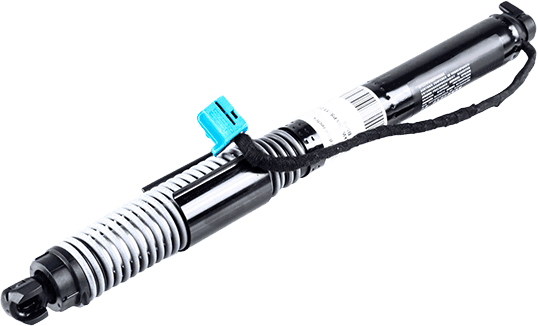
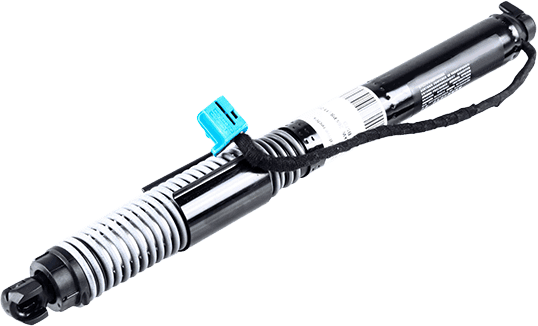
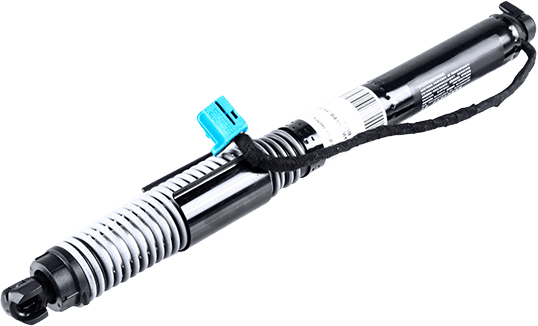
DENCKERMANN G100112 Electrical motor, tailgateFitting Position: Left Rear; Length [mm]: 667; Stroke [mm]: 178; Housing Diameter [mm]: 38,5; EU General Product Safety Regulation (GPSR): IEC 60417-6182 electrical expertise required; Vehicle Equipment: for vehicles with automatically opening tailgate76,99 £*Shipping: 8,45 £Secure redirect to the provider


-
What are the differences between electrical energy, electrical charge, and electrical voltage?
Electrical energy is the ability to do work through the movement of electric charges. It is measured in joules and is the result of the movement of electrical charges through a conductor. Electrical charge is a fundamental property of matter, and it can be positive or negative. It is measured in coulombs and is the source of electrical energy. Electrical voltage, on the other hand, is the potential difference between two points in an electrical circuit. It is measured in volts and is the driving force that pushes electrical charges through a circuit. **
-
What does a training in electrical engineering include?
A training in electrical engineering typically includes a combination of theoretical knowledge and practical skills related to the design, analysis, and implementation of electrical systems. Students learn about topics such as circuit theory, electronics, power systems, control systems, and signal processing. They also gain hands-on experience through laboratory work, projects, and internships to apply their knowledge in real-world settings. Additionally, students may have the opportunity to specialize in areas such as telecommunications, renewable energy, or robotics, depending on their interests and career goals. **
-
Can you help me with my electrical training?
Yes, I can help you with your electrical training. I can provide information, guidance, and resources to help you learn about electrical systems, safety practices, and troubleshooting techniques. Feel free to ask me any specific questions you have or let me know what topics you would like to focus on during your training. **
-
What is the difference between vocational training in electrical engineering and a degree in electrical engineering?
Vocational training in electrical engineering typically focuses on providing practical, hands-on skills and knowledge needed for specific job roles in the field, such as electrician or electrical technician. It often involves shorter, more targeted programs that emphasize technical skills and job readiness. On the other hand, a degree in electrical engineering is a more comprehensive and theoretical education that covers a wide range of topics in the field, including advanced mathematics, physics, and engineering principles. It typically takes longer to complete and provides a deeper understanding of the subject, preparing graduates for a wider range of career opportunities, including research, design, and management roles. **

What are electrical quantities in an electrical circuit?
Electrical quantities in an electrical circuit are the measurable properties that describe the behavior of electricity flowing through the circuit. These quantities include voltage, current, resistance, and power. Voltage is the electrical potential difference between two points in the circuit, while current is the flow of electric charge through the circuit. Resistance is the opposition to the flow of current, and power is the rate at which electrical energy is transferred in the circuit. Understanding and measuring these electrical quantities is essential for analyzing and designing electrical circuits. **
How are electrical sparks created from an electrical outlet?
Electrical sparks from an electrical outlet are typically created when there is a sudden flow of electricity between two conductors with a significant difference in electrical potential. This can occur due to a short circuit, damaged wiring, or a loose connection. When the electricity jumps across the gap between the conductors, it ionizes the air, creating a visible spark. Sparks can be dangerous as they can cause fires or electrical shocks, so it is important to address any issues with electrical outlets promptly. **
Top-Angebote
Products related to Electrical:
-
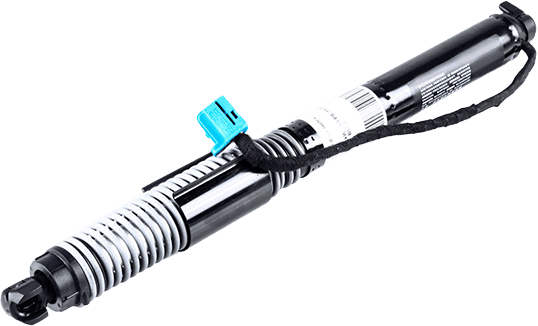
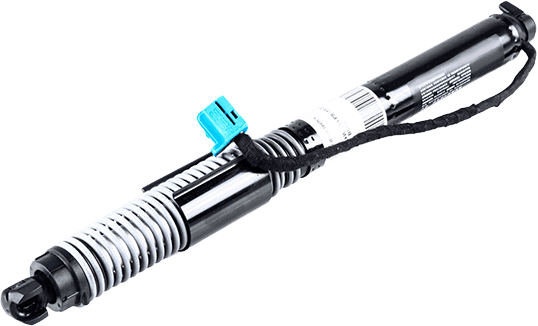
DENCKERMANN G100112 Electrical motor, tailgateFitting Position: Left Rear; Length [mm]: 667; Stroke [mm]: 178; Housing Diameter [mm]: 38,5; EU General Product Safety Regulation (GPSR): IEC 60417-6182 electrical expertise required; Vehicle Equipment: for vehicles with automatically opening tailgate76,99 £*Shipping: 8,45 £Secure redirect to the provider
-
What is an electrical engineering test?
An electrical engineering test is an assessment designed to evaluate a person's knowledge and skills in the field of electrical engineering. It typically includes questions related to topics such as circuit analysis, electronics, power systems, and electromagnetics. These tests can be used by employers to assess a candidate's qualifications for a job, or by educational institutions to evaluate a student's understanding of the subject matter. The tests may consist of multiple-choice questions, problem-solving exercises, or hands-on practical tasks to demonstrate proficiency in electrical engineering concepts. **
-
Is there a course for official electrical connections?
Yes, there are courses available for official electrical connections. Many vocational schools, community colleges, and trade schools offer courses in electrical wiring and connections. These courses typically cover topics such as electrical codes and regulations, safety procedures, and proper installation techniques for various types of electrical connections. Additionally, there are certification programs available for electricians and electrical contractors that include training on official electrical connections. These courses and certifications are important for ensuring that electrical work is done safely and in compliance with building codes and regulations. **
-
What are the differences between electrical energy, electrical charge, and electrical voltage?
Electrical energy is the ability to do work through the movement of electric charges. It is measured in joules and is the result of the movement of electrical charges through a conductor. Electrical charge is a fundamental property of matter, and it can be positive or negative. It is measured in coulombs and is the source of electrical energy. Electrical voltage, on the other hand, is the potential difference between two points in an electrical circuit. It is measured in volts and is the driving force that pushes electrical charges through a circuit. **
-
What does a training in electrical engineering include?
A training in electrical engineering typically includes a combination of theoretical knowledge and practical skills related to the design, analysis, and implementation of electrical systems. Students learn about topics such as circuit theory, electronics, power systems, control systems, and signal processing. They also gain hands-on experience through laboratory work, projects, and internships to apply their knowledge in real-world settings. Additionally, students may have the opportunity to specialize in areas such as telecommunications, renewable energy, or robotics, depending on their interests and career goals. **
Similar search terms for Electrical
-
DENCKERMANN G100124 Electrical motor, tailgateFitting Position: Left Rear; Length [mm]: 539; Stroke [mm]: 135; Housing Diameter [mm]: 38,5; EU General Product Safety Regulation (GPSR): IEC 60417-6182 electrical expertise required; Construction Year from: 08/201676,99 £*Shipping: 8,45 £Secure redirect to the provider
-
DENCKERMANN G100147 Electrical motor, tailgateFitting Position: both sides; Length [mm]: 575; Stroke [mm]: 142; Housing Diameter [mm]: 37,5; EU General Product Safety Regulation (GPSR): IEC 60417-6182 electrical expertise required; Vehicle Equipment Line/Trim Level: GT76,99 £*Shipping: 8,45 £Secure redirect to the provider
-
Can you help me with my electrical training?
Yes, I can help you with your electrical training. I can provide information, guidance, and resources to help you learn about electrical systems, safety practices, and troubleshooting techniques. Feel free to ask me any specific questions you have or let me know what topics you would like to focus on during your training. **
-
What is the difference between vocational training in electrical engineering and a degree in electrical engineering?
Vocational training in electrical engineering typically focuses on providing practical, hands-on skills and knowledge needed for specific job roles in the field, such as electrician or electrical technician. It often involves shorter, more targeted programs that emphasize technical skills and job readiness. On the other hand, a degree in electrical engineering is a more comprehensive and theoretical education that covers a wide range of topics in the field, including advanced mathematics, physics, and engineering principles. It typically takes longer to complete and provides a deeper understanding of the subject, preparing graduates for a wider range of career opportunities, including research, design, and management roles. **
-
What are electrical quantities in an electrical circuit?
Electrical quantities in an electrical circuit are the measurable properties that describe the behavior of electricity flowing through the circuit. These quantities include voltage, current, resistance, and power. Voltage is the electrical potential difference between two points in the circuit, while current is the flow of electric charge through the circuit. Resistance is the opposition to the flow of current, and power is the rate at which electrical energy is transferred in the circuit. Understanding and measuring these electrical quantities is essential for analyzing and designing electrical circuits. **
-
How are electrical sparks created from an electrical outlet?
Electrical sparks from an electrical outlet are typically created when there is a sudden flow of electricity between two conductors with a significant difference in electrical potential. This can occur due to a short circuit, damaged wiring, or a loose connection. When the electricity jumps across the gap between the conductors, it ionizes the air, creating a visible spark. Sparks can be dangerous as they can cause fires or electrical shocks, so it is important to address any issues with electrical outlets promptly. **
* All prices are inclusive of VAT and, if applicable, plus shipping costs. The offer information is based on the details provided by the respective shop and is updated through automated processes. Real-time updates do not occur, so deviations can occur in individual cases. ** Note: Parts of this content were created by AI.