Buy koupittridicak.com ?
We are moving the project
koupittridicak.com .
Are you interested in purchasing the domain
koupittridicak.com ?
domain@kv-gmbh.de · 0541-91531010
Buy koupittridicak.com ?
Are those healthy budgie beaks?
It is difficult to determine the health of the budgie beaks without a closer examination. Healthy budgie beaks are typically smooth, well-shaped, and free from any discoloration or deformities. If the beaks appear overgrown, discolored, or have any signs of damage, it may indicate a health issue that requires attention from a veterinarian. Regular monitoring and providing appropriate toys and perches for chewing can help maintain the health of budgie beaks. **
Do my budgerigars have cracks in their beaks?
It is not uncommon for budgerigars to have small cracks or imperfections in their beaks. This can be caused by a variety of factors such as diet, genetics, or environmental conditions. However, if the cracks appear to be deep, causing bleeding or affecting the bird's ability to eat or groom itself, it is important to consult a veterinarian for proper treatment. Regular monitoring of your budgerigars' beaks and providing a balanced diet can help prevent and manage any issues with their beaks. **


Similar search terms for Beaks
Top-Angebote
Products related to Beaks:
-
Tiny Tots Teens Trends Drawer Game Early Education Montessori Wooden Pitch Ball Box Preschool Learning Training Toy Drawer Game Early Education Montessori Wooden Pitch Ball Box Preschool Learning Training ToyThis Montessori Wooden Pitch Ball Box Drawer Game is a thoughtfully designed earlyeducation toy that transforms playtime into purposeful learning. Crafted for toddlers and preschoolers, it offers a handson, engaging way to support key developmental...39,97 $*Shipping: 0,00 $Secure redirect to the provider
-
Tiny Tots Teens Trends Montessori Baby Training, Infant Puzzle Early Education Toys, Busy Hand Grasping Ball For Baby Montessori Baby Training, Infant Puzzle Early Education Toys, Busy Hand Grasping Ball For BabyIntroduce Your Baby to the World of Learning The Infant Puzzle Early Education Toys are designed to foster cognitive and physical development in your little one. This Multifunctional Busy Ball for Montessori Baby Training is ideal for enhancing...79,97 $*Shipping: 0,00 $Secure redirect to the provider
-
Modern Mode Marketplace Brain Response Battle Cup Set Fun Baby Stack Game For Early Education, Speed And HandEye Coordination Training Brain Response Battle Cup Set Fun Baby Stack Game For Early Education, Speed And HandEye Coordination TrainingUnlock your child's potential with the Brain Response Battle Cup Set! Perfect for young learners, this exciting game combines fun and education to develop handeye coordination and response speed. Ideal for babies and toddlers, it helps improve...29,97 $*Shipping: 0,00 $Secure redirect to the provider




-
How do budgerigars make sounds with their beaks?
Budgerigars, also known as budgies, make sounds with their beaks by grinding their upper and lower beaks together. This action creates a soft, chattering sound that is often used as a form of communication between budgies. Additionally, budgies can also produce a variety of vocalizations, including chirps, whistles, and squawks, by using their syrinx, a vocal organ located at the base of their trachea. These vocalizations are used for various purposes, such as attracting a mate, warning of danger, or expressing contentment. **
-
Why do birds move their beaks so jerkily?
Birds move their beaks jerkily because it allows them to quickly and accurately capture prey, such as insects or small fish. This rapid movement helps them to snatch their prey with precision and speed, making it easier for them to catch their food. Additionally, the jerky movement of their beaks may also help birds to break open seeds or nuts, allowing them to access the nutritious contents inside. Overall, the jerky movement of their beaks is an adaptation that helps birds to efficiently feed and survive in their natural environment. **
-
Why do tits peck at the window with their beaks?
Tits may peck at windows for a few reasons. They may see their reflection and mistake it for a rival bird, leading them to peck at the window in an attempt to drive the "intruder" away. Additionally, they may be trying to access insects or other food that they see on the other side of the window. In some cases, they may also be trying to build a nest or find a suitable nesting site. It's important to try to deter this behavior, as it can be harmful to the birds and may also damage the window. **
-
What is special about the beaks of the Darwin's finches?
The beaks of Darwin's finches are special because they have evolved to be different shapes and sizes in order to adapt to different food sources. This is a classic example of adaptive radiation, where a single ancestral species diversifies into multiple species with different ecological roles. The beak shapes of the finches allow them to access different types of food, such as seeds, insects, or nectar, depending on the specific environmental conditions of their habitat. This variation in beak morphology has allowed the finches to successfully exploit a wide range of ecological niches in the Galápagos Islands. **

What do the beaks and feet of birds have to do with their food?
The beaks and feet of birds are adapted to help them obtain and consume their food. The shape and size of a bird's beak is often specialized for the type of food it eats, such as a long, thin beak for probing into flowers for nectar or a strong, hooked beak for tearing into flesh. Similarly, the feet of birds can be adapted for different purposes, such as webbed feet for swimming and catching fish, or talons for grasping and carrying prey. Overall, the beaks and feet of birds play a crucial role in helping them find, capture, and consume their food. **
Why do birds tuck their beaks into their feathers on their back when sleeping?
Birds tuck their beaks into their feathers on their back when sleeping as a way to keep warm and conserve energy. By tucking their beaks, they can reduce heat loss and maintain their body temperature during the night. This behavior also helps protect their beaks from potential predators while they are vulnerable and asleep. Additionally, tucking their beaks into their feathers can help birds maintain a streamlined shape, making it easier for them to stay balanced and stable while perched. **
Top-Angebote
Products related to Beaks:
-
Uplifted Finds Interactive Ring Toss Training System Professional Early Education & Pediatric Fitness Infrastructure Interactive Ring Toss Training System Professional Early Education & Pediatric Fitness InfrastructureCommand ultimate developmental confidence with the Interactive Ring Toss Training System, a highperformance educational solution specifically engineered to act as a comprehensive tool for elite organization and superior technical ergonomics. Built...52,97 $*Shipping: 0,00 $Secure redirect to the provider
-
Multicon Wholesale Hub Backyard Dog Agility Training Kit With Jumps, Tunnel & Obstacle Course For Dogs Backyard Dog Agility Training Kit With Jumps, Tunnel & Obstacle Course For DogsEnhance your dog's agility skills and create memorable bonding moments with the Backyard Dog Agility Training Kit. This versatile kit features a variety of obstacles like jumps, weave poles, and a tunnel, perfect for energetic dogs and their owners....168,97 $*Shipping: 0,00 $Secure redirect to the provider
-
Tiny Tots Teens Trends Drawer Game Early Education Montessori Wooden Pitch Ball Box Preschool Learning Training Toy Drawer Game Early Education Montessori Wooden Pitch Ball Box Preschool Learning Training ToyThis Montessori Wooden Pitch Ball Box Drawer Game is a thoughtfully designed earlyeducation toy that transforms playtime into purposeful learning. Crafted for toddlers and preschoolers, it offers a handson, engaging way to support key developmental...39,97 $*Shipping: 0,00 $Secure redirect to the provider
-
Tiny Tots Teens Trends Montessori Baby Training, Infant Puzzle Early Education Toys, Busy Hand Grasping Ball For Baby Montessori Baby Training, Infant Puzzle Early Education Toys, Busy Hand Grasping Ball For BabyIntroduce Your Baby to the World of Learning The Infant Puzzle Early Education Toys are designed to foster cognitive and physical development in your little one. This Multifunctional Busy Ball for Montessori Baby Training is ideal for enhancing...79,97 $*Shipping: 0,00 $Secure redirect to the provider
-
Are those healthy budgie beaks?
It is difficult to determine the health of the budgie beaks without a closer examination. Healthy budgie beaks are typically smooth, well-shaped, and free from any discoloration or deformities. If the beaks appear overgrown, discolored, or have any signs of damage, it may indicate a health issue that requires attention from a veterinarian. Regular monitoring and providing appropriate toys and perches for chewing can help maintain the health of budgie beaks. **
-
Do my budgerigars have cracks in their beaks?
It is not uncommon for budgerigars to have small cracks or imperfections in their beaks. This can be caused by a variety of factors such as diet, genetics, or environmental conditions. However, if the cracks appear to be deep, causing bleeding or affecting the bird's ability to eat or groom itself, it is important to consult a veterinarian for proper treatment. Regular monitoring of your budgerigars' beaks and providing a balanced diet can help prevent and manage any issues with their beaks. **
-
How do budgerigars make sounds with their beaks?
Budgerigars, also known as budgies, make sounds with their beaks by grinding their upper and lower beaks together. This action creates a soft, chattering sound that is often used as a form of communication between budgies. Additionally, budgies can also produce a variety of vocalizations, including chirps, whistles, and squawks, by using their syrinx, a vocal organ located at the base of their trachea. These vocalizations are used for various purposes, such as attracting a mate, warning of danger, or expressing contentment. **
-
Why do birds move their beaks so jerkily?
Birds move their beaks jerkily because it allows them to quickly and accurately capture prey, such as insects or small fish. This rapid movement helps them to snatch their prey with precision and speed, making it easier for them to catch their food. Additionally, the jerky movement of their beaks may also help birds to break open seeds or nuts, allowing them to access the nutritious contents inside. Overall, the jerky movement of their beaks is an adaptation that helps birds to efficiently feed and survive in their natural environment. **
Similar search terms for Beaks
-
Modern Mode Marketplace Brain Response Battle Cup Set Fun Baby Stack Game For Early Education, Speed And HandEye Coordination Training Brain Response Battle Cup Set Fun Baby Stack Game For Early Education, Speed And HandEye Coordination TrainingUnlock your child's potential with the Brain Response Battle Cup Set! Perfect for young learners, this exciting game combines fun and education to develop handeye coordination and response speed. Ideal for babies and toddlers, it helps improve...29,97 $*Shipping: 0,00 $Secure redirect to the provider
-
Klokick 50FT Ninja Warrior Obstacle Course for Kids with Swing Outdoor Playset Backyard Toys Training Equipment SetAbout the item: Slackline Swing Set Hapfan’s ninja obstacle course now includes a saucer swing, making it a versatile outdoor playset that doubles as a portable slackline and swing combo—perfect for dynamic backyard fun!139,99 $*Shipping: 0,00 $Secure redirect to the provider
-
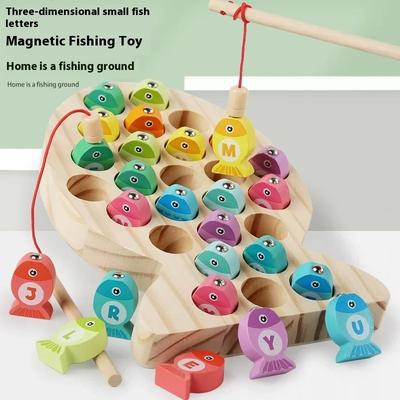
Inspire Select Wooden Montessori Fishing Toy Set Kids Number & Alphabet Learning Game For Early Education Training lettersMake learning fun and interactive with a playful educational experience. This Montessori fishing toy helps children develop essential skills while enjoying handson play. Designed for toddlers and young kids, this wooden learning toy combines...96,97 $*Shipping: 0,00 $Secure redirect to the provider
-
Why do tits peck at the window with their beaks?
Tits may peck at windows for a few reasons. They may see their reflection and mistake it for a rival bird, leading them to peck at the window in an attempt to drive the "intruder" away. Additionally, they may be trying to access insects or other food that they see on the other side of the window. In some cases, they may also be trying to build a nest or find a suitable nesting site. It's important to try to deter this behavior, as it can be harmful to the birds and may also damage the window. **
-
What is special about the beaks of the Darwin's finches?
The beaks of Darwin's finches are special because they have evolved to be different shapes and sizes in order to adapt to different food sources. This is a classic example of adaptive radiation, where a single ancestral species diversifies into multiple species with different ecological roles. The beak shapes of the finches allow them to access different types of food, such as seeds, insects, or nectar, depending on the specific environmental conditions of their habitat. This variation in beak morphology has allowed the finches to successfully exploit a wide range of ecological niches in the Galápagos Islands. **
-
What do the beaks and feet of birds have to do with their food?
The beaks and feet of birds are adapted to help them obtain and consume their food. The shape and size of a bird's beak is often specialized for the type of food it eats, such as a long, thin beak for probing into flowers for nectar or a strong, hooked beak for tearing into flesh. Similarly, the feet of birds can be adapted for different purposes, such as webbed feet for swimming and catching fish, or talons for grasping and carrying prey. Overall, the beaks and feet of birds play a crucial role in helping them find, capture, and consume their food. **
-
Why do birds tuck their beaks into their feathers on their back when sleeping?
Birds tuck their beaks into their feathers on their back when sleeping as a way to keep warm and conserve energy. By tucking their beaks, they can reduce heat loss and maintain their body temperature during the night. This behavior also helps protect their beaks from potential predators while they are vulnerable and asleep. Additionally, tucking their beaks into their feathers can help birds maintain a streamlined shape, making it easier for them to stay balanced and stable while perched. **
* All prices are inclusive of VAT and, if applicable, plus shipping costs. The offer information is based on the details provided by the respective shop and is updated through automated processes. Real-time updates do not occur, so deviations can occur in individual cases. ** Note: Parts of this content were created by AI.