Buy koupittridicak.com ?
We are moving the project
koupittridicak.com .
Are you interested in purchasing the domain
koupittridicak.com ?
domain@kv-gmbh.de · 0541-91531010
Buy koupittridicak.com ?
What is the pop tube experiment?
The pop tube experiment is a simple science experiment that demonstrates the properties of air pressure. It involves placing a small plastic tube with a cap on one end inside a larger tube and then quickly pulling the cap to create a popping sound. This happens because the air pressure inside the small tube decreases rapidly, causing the cap to pop off. The experiment is a fun way to learn about air pressure and the effects of rapid changes in pressure. **
What are sensory cells, sensory organs, and senses?
Sensory cells are specialized cells that detect and respond to specific stimuli, such as light, sound, touch, taste, and smell. These cells are found in sensory organs, which are structures in the body that contain sensory cells and are responsible for detecting and transmitting sensory information to the brain. The senses, on the other hand, are the physiological capacities of organisms that provide data for perception. They include sight, hearing, touch, taste, and smell, and are essential for experiencing and interacting with the environment. **


Similar search terms for DynamicDeals-Sensory-Pop-Tube
Top-Angebote
Products related to DynamicDeals-Sensory-Pop-Tube:
-
Inspire Curations LED Light Up Pop Tube Sensory Fidget Toy Set 12pcsAdd light, sound, and handson fun to playtime with these colorful LED pop tubes. Designed to stretch, bend, twist, and compress, they create satisfying movement and popping sounds while flashing with eyecatching lights. Available in 2, 6, or 12piece...85,50 $*Shipping: 0,00 $Secure redirect to the provider
-
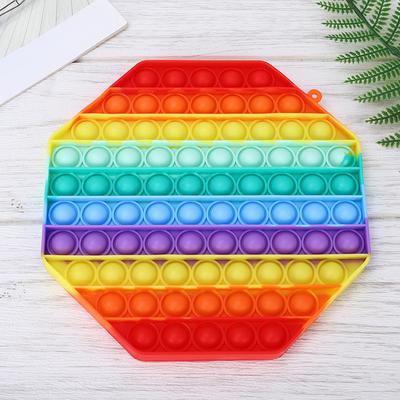
DynamicDeals Rainbow Pop It Sensory Fidget Toy For Stress Relief And Focus a 1pcTurn everyday restless moments into calming, satisfying play with this oversized sensory fidget toy designed to keep hands busy and minds focused. This colorful rainbow pop it toy features soft silicone bubbles that create a fun popping experience...34,97 $*Shipping: 0,00 $Secure redirect to the provider
-
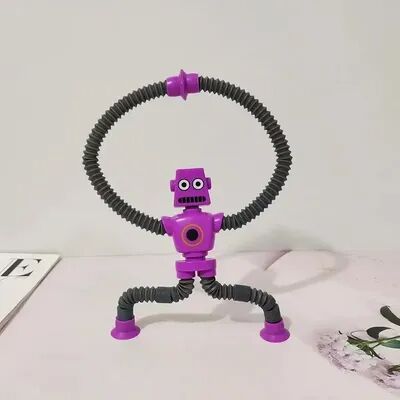
DynamicDeals Sensory Pop Tube Robot Suction Cup Toy For Kids Stress Relief And Creative Play purpleImmerse little hands in a world of creativity, movement, and sensory fun. This sensory toy combines a playful robot design with stretchable tubes and strong suction cups to keep children entertained while encouraging handson exploration. Designed...29,97 $*Shipping: 0,00 $Secure redirect to the provider
-
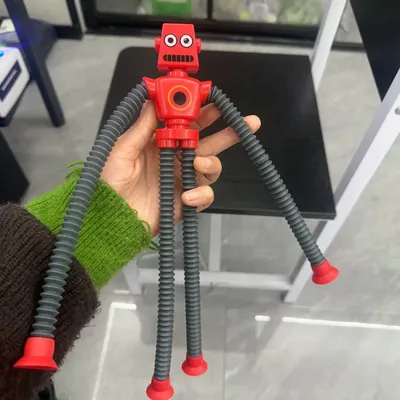
DynamicDeals Sensory Pop Tube Robot Suction Cup Toy For Kids Stress Relief And Creative Play redImmerse little hands in a world of creativity, movement, and sensory fun. This sensory toy combines a playful robot design with stretchable tubes and strong suction cups to keep children entertained while encouraging handson exploration. Designed...29,97 $*Shipping: 0,00 $Secure redirect to the provider


-
What is the difference between a primary sensory cell, a secondary sensory cell, and a sensory nerve cell?
Primary sensory cells are specialized cells that directly detect stimuli from the environment, such as light, sound, or touch. Secondary sensory cells receive signals from primary sensory cells and transmit them to the central nervous system. Sensory nerve cells, also known as sensory neurons, are responsible for transmitting the signals from secondary sensory cells to the brain, where they are processed and interpreted. In summary, primary sensory cells detect stimuli, secondary sensory cells relay the signals, and sensory nerve cells transmit the signals to the brain for processing. **
-
Are receptors sensory cells?
Receptors are not sensory cells themselves, but they are specialized proteins located on the surface of sensory cells. These receptors are responsible for detecting and responding to specific stimuli, such as light, sound, taste, or smell. When a receptor is activated by a stimulus, it triggers a series of biochemical reactions within the sensory cell, ultimately leading to the generation of a sensory signal that can be transmitted to the brain for processing. Therefore, while receptors are not sensory cells, they play a crucial role in the sensory process by detecting and transducing stimuli into neural signals. **
-
What is sensory perception?
Sensory perception refers to the process of receiving and interpreting information from the environment through the senses. This includes the five main senses of sight, hearing, touch, taste, and smell, as well as other sensory experiences such as balance, proprioception, and temperature. The brain then processes this sensory information to create a perception of the world around us, allowing us to interact with and understand our surroundings. Sensory perception is essential for everyday functioning and plays a crucial role in how we experience and navigate the world. **
-
What remains in the test tube?
In the test tube, there will be a mixture of the reactants and products of the chemical reaction that took place. Depending on the specific reaction, there may be some unreacted starting materials, as well as any new compounds formed during the reaction. The test tube may also contain byproducts or impurities depending on the reaction conditions. Overall, the contents of the test tube will reflect the outcome of the chemical reaction that occurred. **

How is a test tube silvered?
A test tube can be silvered using a process called silvering or silver mirror reaction. First, the inside of the test tube is cleaned and dried thoroughly. Then, a solution of silver nitrate and ammonia is added to the test tube, followed by a reducing agent such as glucose or formaldehyde. This causes the silver ions to be reduced and deposited onto the inside surface of the test tube, creating a thin layer of silver. The test tube is then rinsed and dried, resulting in a silvered interior. **
How does sensory development progress?
Sensory development progresses through a series of stages, beginning with basic sensory experiences such as touch, taste, and smell in infancy. As children grow, they develop more refined sensory abilities, such as improved vision and hearing, and begin to integrate sensory information to make sense of their environment. This process continues into adolescence and adulthood, with individuals becoming more adept at interpreting and responding to sensory stimuli. Overall, sensory development progresses from basic sensory experiences to more complex and integrated sensory abilities as individuals mature. **
Top-Angebote
Products related to DynamicDeals-Sensory-Pop-Tube:
-
DynamicDeals Sensory Pop Tube Robot Suction Cup Toy For Kids Stress Relief And Creative Play blueImmerse little hands in a world of creativity, movement, and sensory fun. This sensory toy combines a playful robot design with stretchable tubes and strong suction cups to keep children entertained while encouraging handson exploration. Designed...29,97 $*Shipping: 0,00 $Secure redirect to the provider
-
DynamicDeals Pimple Pop Sensory Fidget Toy For Stress Relief And Anxiety Relaxation pimpleFeel the instant satisfaction of squeezing away stress with this uniquely textured sensory fidget toy designed to calm restless hands and busy minds. Made for teens and adults alike, this reusable squeeze toy delivers a soothing tactile experience...31,97 $*Shipping: 0,00 $Secure redirect to the provider
-
Inspire Curations LED Light Up Pop Tube Sensory Fidget Toy Set 12pcsAdd light, sound, and handson fun to playtime with these colorful LED pop tubes. Designed to stretch, bend, twist, and compress, they create satisfying movement and popping sounds while flashing with eyecatching lights. Available in 2, 6, or 12piece...85,50 $*Shipping: 0,00 $Secure redirect to the provider
-
DynamicDeals Rainbow Pop It Sensory Fidget Toy For Stress Relief And Focus a 1pcTurn everyday restless moments into calming, satisfying play with this oversized sensory fidget toy designed to keep hands busy and minds focused. This colorful rainbow pop it toy features soft silicone bubbles that create a fun popping experience...34,97 $*Shipping: 0,00 $Secure redirect to the provider
-
What is the pop tube experiment?
The pop tube experiment is a simple science experiment that demonstrates the properties of air pressure. It involves placing a small plastic tube with a cap on one end inside a larger tube and then quickly pulling the cap to create a popping sound. This happens because the air pressure inside the small tube decreases rapidly, causing the cap to pop off. The experiment is a fun way to learn about air pressure and the effects of rapid changes in pressure. **
-
What are sensory cells, sensory organs, and senses?
Sensory cells are specialized cells that detect and respond to specific stimuli, such as light, sound, touch, taste, and smell. These cells are found in sensory organs, which are structures in the body that contain sensory cells and are responsible for detecting and transmitting sensory information to the brain. The senses, on the other hand, are the physiological capacities of organisms that provide data for perception. They include sight, hearing, touch, taste, and smell, and are essential for experiencing and interacting with the environment. **
-
What is the difference between a primary sensory cell, a secondary sensory cell, and a sensory nerve cell?
Primary sensory cells are specialized cells that directly detect stimuli from the environment, such as light, sound, or touch. Secondary sensory cells receive signals from primary sensory cells and transmit them to the central nervous system. Sensory nerve cells, also known as sensory neurons, are responsible for transmitting the signals from secondary sensory cells to the brain, where they are processed and interpreted. In summary, primary sensory cells detect stimuli, secondary sensory cells relay the signals, and sensory nerve cells transmit the signals to the brain for processing. **
-
Are receptors sensory cells?
Receptors are not sensory cells themselves, but they are specialized proteins located on the surface of sensory cells. These receptors are responsible for detecting and responding to specific stimuli, such as light, sound, taste, or smell. When a receptor is activated by a stimulus, it triggers a series of biochemical reactions within the sensory cell, ultimately leading to the generation of a sensory signal that can be transmitted to the brain for processing. Therefore, while receptors are not sensory cells, they play a crucial role in the sensory process by detecting and transducing stimuli into neural signals. **
Similar search terms for DynamicDeals-Sensory-Pop-Tube
-
DynamicDeals Sensory Pop Tube Robot Suction Cup Toy For Kids Stress Relief And Creative Play purpleImmerse little hands in a world of creativity, movement, and sensory fun. This sensory toy combines a playful robot design with stretchable tubes and strong suction cups to keep children entertained while encouraging handson exploration. Designed...29,97 $*Shipping: 0,00 $Secure redirect to the provider
-
DynamicDeals Sensory Pop Tube Robot Suction Cup Toy For Kids Stress Relief And Creative Play redImmerse little hands in a world of creativity, movement, and sensory fun. This sensory toy combines a playful robot design with stretchable tubes and strong suction cups to keep children entertained while encouraging handson exploration. Designed...29,97 $*Shipping: 0,00 $Secure redirect to the provider
-
Inspire Curations LED Light Up Pop Tube Sensory Fidget Toy Set 6pcsAdd light, sound, and handson fun to playtime with these colorful LED pop tubes. Designed to stretch, bend, twist, and compress, they create satisfying movement and popping sounds while flashing with eyecatching lights. Available in 2, 6, or 12piece...60,50 $*Shipping: 0,00 $Secure redirect to the provider
-
DynamicDeals Rainbow Pop It Sensory Fidget Toy For Stress Relief And Focus c 1pcTurn everyday restless moments into calming, satisfying play with this oversized sensory fidget toy designed to keep hands busy and minds focused. This colorful rainbow pop it toy features soft silicone bubbles that create a fun popping experience...34,97 $*Shipping: 0,00 $Secure redirect to the provider
-
What is sensory perception?
Sensory perception refers to the process of receiving and interpreting information from the environment through the senses. This includes the five main senses of sight, hearing, touch, taste, and smell, as well as other sensory experiences such as balance, proprioception, and temperature. The brain then processes this sensory information to create a perception of the world around us, allowing us to interact with and understand our surroundings. Sensory perception is essential for everyday functioning and plays a crucial role in how we experience and navigate the world. **
-
What remains in the test tube?
In the test tube, there will be a mixture of the reactants and products of the chemical reaction that took place. Depending on the specific reaction, there may be some unreacted starting materials, as well as any new compounds formed during the reaction. The test tube may also contain byproducts or impurities depending on the reaction conditions. Overall, the contents of the test tube will reflect the outcome of the chemical reaction that occurred. **
-
How is a test tube silvered?
A test tube can be silvered using a process called silvering or silver mirror reaction. First, the inside of the test tube is cleaned and dried thoroughly. Then, a solution of silver nitrate and ammonia is added to the test tube, followed by a reducing agent such as glucose or formaldehyde. This causes the silver ions to be reduced and deposited onto the inside surface of the test tube, creating a thin layer of silver. The test tube is then rinsed and dried, resulting in a silvered interior. **
-
How does sensory development progress?
Sensory development progresses through a series of stages, beginning with basic sensory experiences such as touch, taste, and smell in infancy. As children grow, they develop more refined sensory abilities, such as improved vision and hearing, and begin to integrate sensory information to make sense of their environment. This process continues into adolescence and adulthood, with individuals becoming more adept at interpreting and responding to sensory stimuli. Overall, sensory development progresses from basic sensory experiences to more complex and integrated sensory abilities as individuals mature. **
* All prices are inclusive of VAT and, if applicable, plus shipping costs. The offer information is based on the details provided by the respective shop and is updated through automated processes. Real-time updates do not occur, so deviations can occur in individual cases. ** Note: Parts of this content were created by AI.