Buy koupittridicak.com ?
We are moving the project
koupittridicak.com .
Are you interested in purchasing the domain
koupittridicak.com ?
domain@kv-gmbh.de · 0541-91531010
Buy koupittridicak.com ?
What does the fuel low-pressure sensor do?
The fuel low-pressure sensor is responsible for monitoring the pressure of the fuel in the fuel system. It detects when the fuel pressure drops below a certain threshold, indicating that there may be an issue with the fuel system such as a leak or a clog. When the sensor detects low fuel pressure, it sends a signal to the vehicle's engine control unit (ECU) to alert the driver through a warning light on the dashboard. This helps prevent potential damage to the engine and ensures the vehicle operates efficiently. **
What does the low-pressure fuel sensor do?
The low-pressure fuel sensor is responsible for monitoring the fuel pressure in the fuel system of a vehicle. It detects any fluctuations or drops in fuel pressure and sends this information to the engine control unit. This data helps the engine control unit adjust the fuel delivery to ensure optimal engine performance and fuel efficiency. If the sensor detects a significant drop in fuel pressure, it can trigger a warning light on the dashboard to alert the driver of a potential issue. **
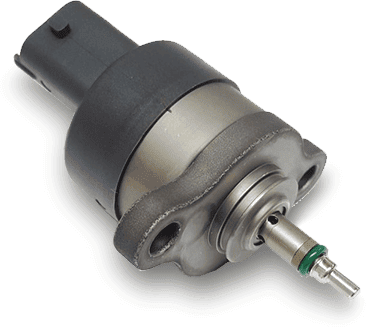
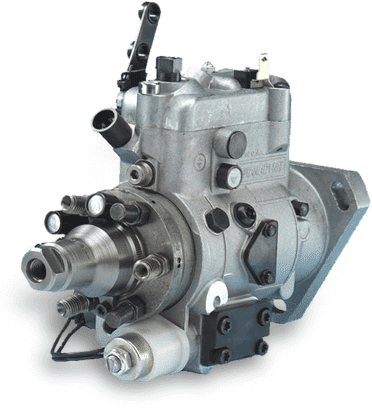
Similar search terms for ENGITECH-ENT230004-Fuel-pressure
Top-Angebote
Products related to ENGITECH-ENT230004-Fuel-pressure:
-
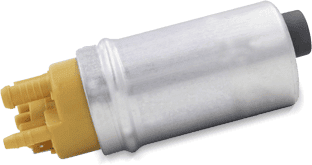
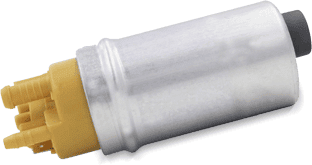
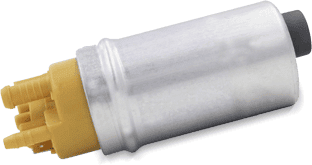
ENGITECH ENT100067 Fuel pumpOperating Mode: Electric; Vehicle Equipment Line/Trim Level: DENSO; Construction Year from: 01/1993, 01/1994, 01/1996, 04/1991, 03/1994, 01/1992, 10/1997, 05/1994; Construction Year to: 12/1998, 09/2001, 12/1997, 07/2000, 02/2004, 12/200021,49 £*Shipping: 8,45 £Secure redirect to the provider
-
How much are the fuel costs for the A1 driving license?
The fuel costs for obtaining an A1 driving license can vary depending on the location of the driving school, the type of motorcycle used for training, and the distance traveled to and from the training center. On average, fuel costs for the A1 driving license can range from $50 to $200. It is important to factor in these costs when budgeting for the overall expenses of obtaining an A1 driving license. **
-
What does fuel-efficient driving mean?
Fuel-efficient driving refers to adopting driving habits and techniques that maximize the fuel efficiency of a vehicle. This includes practices such as maintaining a steady speed, avoiding rapid acceleration and braking, keeping tires properly inflated, and reducing unnecessary idling. By driving in a fuel-efficient manner, drivers can reduce fuel consumption, save money on gas, and minimize their environmental impact by reducing emissions. **
-
How to save fuel while driving?
To save fuel while driving, you can start by maintaining a steady speed and avoiding sudden acceleration or braking. It's also helpful to keep your vehicle well-maintained with regular tune-ups and proper tire inflation. Additionally, reducing excess weight in your car, such as removing roof racks or unnecessary items, can improve fuel efficiency. Lastly, using cruise control on the highway and avoiding idling for long periods can also help save fuel. **
-
Is there time pressure during the training for a driver's license?
Yes, there is often time pressure during the training for a driver's license. This is because there are deadlines to meet for completing the required number of training hours, passing the written and practical exams, and obtaining the license within a certain timeframe. Additionally, individuals may feel pressure to learn quickly and efficiently in order to start driving independently as soon as possible. The time pressure can vary depending on the individual's learning pace and the specific requirements of the licensing process in their location. **

Which driving style is more fuel-efficient?
A more fuel-efficient driving style is one that is smooth and steady, avoiding sudden acceleration and hard braking. By maintaining a consistent speed, anticipating traffic flow, and avoiding rapid changes in speed, drivers can maximize fuel efficiency. Additionally, keeping tires properly inflated, reducing unnecessary weight in the vehicle, and adhering to the recommended maintenance schedule can also help improve fuel efficiency. Overall, a more cautious and mindful driving style is typically more fuel-efficient compared to aggressive or erratic driving. **
How do you save fuel while driving?
To save fuel while driving, you can start by driving at a steady speed and avoiding sudden acceleration or braking. This will help you maintain a consistent fuel efficiency. Additionally, keeping your vehicle well-maintained by regularly checking tire pressure, changing air filters, and getting regular tune-ups can also improve fuel efficiency. Planning your routes to avoid heavy traffic and using cruise control on the highway can also help save fuel. Lastly, reducing the use of air conditioning and removing unnecessary weight from your vehicle can also contribute to fuel savings. **
Top-Angebote
Products related to ENGITECH-ENT230004-Fuel-pressure:
-
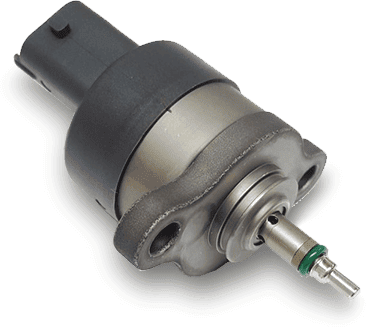
ENGITECH ENT210018 High pressure fuel pumpFuel Type: Diesel; Observe the vehicle manufacturer specifications: ; Engine Code: DRFB, CYFA, CYRC, DRFE, CYFB, CYFD, CYRB, QVFA, QWFA, PGFA, PGFB, UHFA, UHFC, SRFA, SRFB, SRFC, SRFE, USR6, CV24, CVR5, UYR6, CVF5, CYR5, CY14, CYF5, CYFG, CY24, DRF5, DRFF, DRFG, DRR5, UHR512,99 £*Shipping: 8,45 £Secure redirect to the provider
-
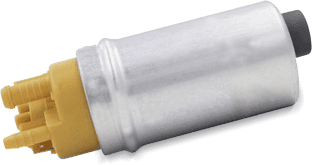
ENGITECH ENT100067 Fuel pumpOperating Mode: Electric; Vehicle Equipment Line/Trim Level: DENSO; Construction Year from: 01/1993, 01/1994, 01/1996, 04/1991, 03/1994, 01/1992, 10/1997, 05/1994; Construction Year to: 12/1998, 09/2001, 12/1997, 07/2000, 02/2004, 12/200021,49 £*Shipping: 8,45 £Secure redirect to the provider
-
What does the fuel low-pressure sensor do?
The fuel low-pressure sensor is responsible for monitoring the pressure of the fuel in the fuel system. It detects when the fuel pressure drops below a certain threshold, indicating that there may be an issue with the fuel system such as a leak or a clog. When the sensor detects low fuel pressure, it sends a signal to the vehicle's engine control unit (ECU) to alert the driver through a warning light on the dashboard. This helps prevent potential damage to the engine and ensures the vehicle operates efficiently. **
-
What does the low-pressure fuel sensor do?
The low-pressure fuel sensor is responsible for monitoring the fuel pressure in the fuel system of a vehicle. It detects any fluctuations or drops in fuel pressure and sends this information to the engine control unit. This data helps the engine control unit adjust the fuel delivery to ensure optimal engine performance and fuel efficiency. If the sensor detects a significant drop in fuel pressure, it can trigger a warning light on the dashboard to alert the driver of a potential issue. **
-
How much are the fuel costs for the A1 driving license?
The fuel costs for obtaining an A1 driving license can vary depending on the location of the driving school, the type of motorcycle used for training, and the distance traveled to and from the training center. On average, fuel costs for the A1 driving license can range from $50 to $200. It is important to factor in these costs when budgeting for the overall expenses of obtaining an A1 driving license. **
-
What does fuel-efficient driving mean?
Fuel-efficient driving refers to adopting driving habits and techniques that maximize the fuel efficiency of a vehicle. This includes practices such as maintaining a steady speed, avoiding rapid acceleration and braking, keeping tires properly inflated, and reducing unnecessary idling. By driving in a fuel-efficient manner, drivers can reduce fuel consumption, save money on gas, and minimize their environmental impact by reducing emissions. **
Similar search terms for ENGITECH-ENT230004-Fuel-pressure
-
How to save fuel while driving?
To save fuel while driving, you can start by maintaining a steady speed and avoiding sudden acceleration or braking. It's also helpful to keep your vehicle well-maintained with regular tune-ups and proper tire inflation. Additionally, reducing excess weight in your car, such as removing roof racks or unnecessary items, can improve fuel efficiency. Lastly, using cruise control on the highway and avoiding idling for long periods can also help save fuel. **
-
Is there time pressure during the training for a driver's license?
Yes, there is often time pressure during the training for a driver's license. This is because there are deadlines to meet for completing the required number of training hours, passing the written and practical exams, and obtaining the license within a certain timeframe. Additionally, individuals may feel pressure to learn quickly and efficiently in order to start driving independently as soon as possible. The time pressure can vary depending on the individual's learning pace and the specific requirements of the licensing process in their location. **
-
Which driving style is more fuel-efficient?
A more fuel-efficient driving style is one that is smooth and steady, avoiding sudden acceleration and hard braking. By maintaining a consistent speed, anticipating traffic flow, and avoiding rapid changes in speed, drivers can maximize fuel efficiency. Additionally, keeping tires properly inflated, reducing unnecessary weight in the vehicle, and adhering to the recommended maintenance schedule can also help improve fuel efficiency. Overall, a more cautious and mindful driving style is typically more fuel-efficient compared to aggressive or erratic driving. **
-
How do you save fuel while driving?
To save fuel while driving, you can start by driving at a steady speed and avoiding sudden acceleration or braking. This will help you maintain a consistent fuel efficiency. Additionally, keeping your vehicle well-maintained by regularly checking tire pressure, changing air filters, and getting regular tune-ups can also improve fuel efficiency. Planning your routes to avoid heavy traffic and using cruise control on the highway can also help save fuel. Lastly, reducing the use of air conditioning and removing unnecessary weight from your vehicle can also contribute to fuel savings. **
* All prices are inclusive of VAT and, if applicable, plus shipping costs. The offer information is based on the details provided by the respective shop and is updated through automated processes. Real-time updates do not occur, so deviations can occur in individual cases. ** Note: Parts of this content were created by AI.