Buy koupittridicak.com ?
We are moving the project
koupittridicak.com .
Are you interested in purchasing the domain
koupittridicak.com ?
domain@kv-gmbh.de · 0541-91531010
Buy koupittridicak.com ?
What does 'siehste danke gern bitte' mean?
The phrase 'siehste danke gern bitte' is a mix of German words that do not form a coherent sentence. "Siehste" is a colloquial form of "siehst du" which means "do you see", "danke" means "thank you", "gern" means "gladly" or "with pleasure", and "bitte" means "please". Therefore, the phrase does not have a specific meaning in German and seems to be a combination of different words without a clear context. **
Is "Das wurde gern geschehen" grammatically correct?
No, the phrase "Das wurde gern geschehen" is not grammatically correct in German. A more correct way to say "You're welcome" in German would be "Gern geschehen" or "Bitte schön." The phrase "Das wurde gern geschehen" is a literal translation from English and does not make sense in German. **


Similar search terms for Gern
Top-Angebote
Products related to Gern:
-
Tiny Tots Teens Trends Drawer Game Early Education Montessori Wooden Pitch Ball Box Preschool Learning Training Toy Drawer Game Early Education Montessori Wooden Pitch Ball Box Preschool Learning Training ToyThis Montessori Wooden Pitch Ball Box Drawer Game is a thoughtfully designed earlyeducation toy that transforms playtime into purposeful learning. Crafted for toddlers and preschoolers, it offers a handson, engaging way to support key developmental...39,97 $*Shipping: 0,00 $Secure redirect to the provider
-
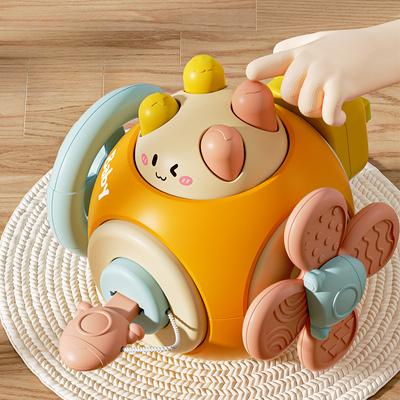
Tiny Tots Teens Trends Montessori Baby Training, Infant Puzzle Early Education Toys, Busy Hand Grasping Ball For Baby Montessori Baby Training, Infant Puzzle Early Education Toys, Busy Hand Grasping Ball For BabyIntroduce Your Baby to the World of Learning The Infant Puzzle Early Education Toys are designed to foster cognitive and physical development in your little one. This Multifunctional Busy Ball for Montessori Baby Training is ideal for enhancing...79,97 $*Shipping: 0,00 $Secure redirect to the provider
-
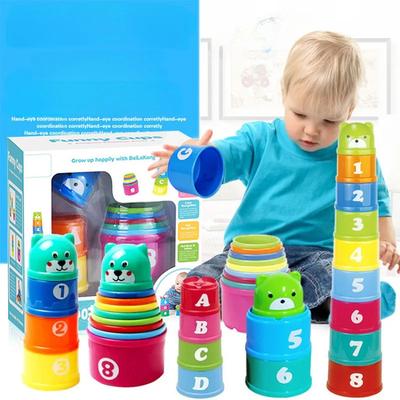
Modern Mode Marketplace Brain Response Battle Cup Set Fun Baby Stack Game For Early Education, Speed And HandEye Coordination Training Brain Response Battle Cup Set Fun Baby Stack Game For Early Education, Speed And HandEye Coordination TrainingUnlock your child's potential with the Brain Response Battle Cup Set! Perfect for young learners, this exciting game combines fun and education to develop handeye coordination and response speed. Ideal for babies and toddlers, it helps improve...29,97 $*Shipping: 0,00 $Secure redirect to the provider


-
What does "siehste danke gern bitte" mean?
"Siehste danke gern bitte" is a mix of German words that don't form a coherent sentence. "Siehste" is a colloquial form of "siehst du" which means "do you see", "danke" means "thank you", "gern" means "gladly" or "with pleasure", and "bitte" means "please" or "you're welcome". So, the phrase doesn't have a clear meaning and seems like a jumble of words. **
-
What does "Ich habe dich gern" mean?
"Ich habe dich gern" is a German expression that translates to "I like you" or "I am fond of you" in English. It is a way of expressing affection or fondness for someone, similar to saying "I care about you" or "I have feelings for you" in English. It is a warm and friendly way of letting someone know that you have positive feelings towards them. **
-
Is there a difference between "gern" and "gerne"?
In German, "gern" and "gerne" are essentially the same and can be used interchangeably. Both words mean "gladly" or "with pleasure" and are used to express a willingness or preference for something. The choice between using "gern" or "gerne" is a matter of personal preference or regional variation. **
-
What does "Ich will gern dein sein" mean?
"Ich will gern dein sein" is a German phrase that translates to "I want to gladly be yours" in English. It expresses a desire to belong to someone or to be in a close relationship with them. It conveys a sense of willingness and eagerness to be with the other person. **

Do you say "gern" or "gerne" when someone thanks you?
In German, both "gern" and "gerne" can be used when responding to someone thanking you. Both are correct and commonly used, so you can choose either one based on your personal preference. **
Is "Hab dich gern" the same as "Hab dich lieb"?
"Hab dich gern" and "Hab dich lieb" are similar expressions in German, both expressing affection towards someone. However, "Hab dich lieb" is considered a stronger expression of love compared to "Hab dich gern." While both convey feelings of care and fondness, "Hab dich lieb" is often reserved for closer relationships like family members or romantic partners, whereas "Hab dich gern" can be used more casually with friends or acquaintances. **
Top-Angebote
Products related to Gern:
-
Uplifted Finds Interactive Ring Toss Training System Professional Early Education & Pediatric Fitness Infrastructure Interactive Ring Toss Training System Professional Early Education & Pediatric Fitness InfrastructureCommand ultimate developmental confidence with the Interactive Ring Toss Training System, a highperformance educational solution specifically engineered to act as a comprehensive tool for elite organization and superior technical ergonomics. Built...52,97 $*Shipping: 0,00 $Secure redirect to the provider
-
Multicon Wholesale Hub Backyard Dog Agility Training Kit With Jumps, Tunnel & Obstacle Course For Dogs Backyard Dog Agility Training Kit With Jumps, Tunnel & Obstacle Course For DogsEnhance your dog's agility skills and create memorable bonding moments with the Backyard Dog Agility Training Kit. This versatile kit features a variety of obstacles like jumps, weave poles, and a tunnel, perfect for energetic dogs and their owners....168,97 $*Shipping: 0,00 $Secure redirect to the provider
-
Tiny Tots Teens Trends Drawer Game Early Education Montessori Wooden Pitch Ball Box Preschool Learning Training Toy Drawer Game Early Education Montessori Wooden Pitch Ball Box Preschool Learning Training ToyThis Montessori Wooden Pitch Ball Box Drawer Game is a thoughtfully designed earlyeducation toy that transforms playtime into purposeful learning. Crafted for toddlers and preschoolers, it offers a handson, engaging way to support key developmental...39,97 $*Shipping: 0,00 $Secure redirect to the provider
-
Tiny Tots Teens Trends Montessori Baby Training, Infant Puzzle Early Education Toys, Busy Hand Grasping Ball For Baby Montessori Baby Training, Infant Puzzle Early Education Toys, Busy Hand Grasping Ball For BabyIntroduce Your Baby to the World of Learning The Infant Puzzle Early Education Toys are designed to foster cognitive and physical development in your little one. This Multifunctional Busy Ball for Montessori Baby Training is ideal for enhancing...79,97 $*Shipping: 0,00 $Secure redirect to the provider
-
What does 'siehste danke gern bitte' mean?
The phrase 'siehste danke gern bitte' is a mix of German words that do not form a coherent sentence. "Siehste" is a colloquial form of "siehst du" which means "do you see", "danke" means "thank you", "gern" means "gladly" or "with pleasure", and "bitte" means "please". Therefore, the phrase does not have a specific meaning in German and seems to be a combination of different words without a clear context. **
-
Is "Das wurde gern geschehen" grammatically correct?
No, the phrase "Das wurde gern geschehen" is not grammatically correct in German. A more correct way to say "You're welcome" in German would be "Gern geschehen" or "Bitte schön." The phrase "Das wurde gern geschehen" is a literal translation from English and does not make sense in German. **
-
What does "siehste danke gern bitte" mean?
"Siehste danke gern bitte" is a mix of German words that don't form a coherent sentence. "Siehste" is a colloquial form of "siehst du" which means "do you see", "danke" means "thank you", "gern" means "gladly" or "with pleasure", and "bitte" means "please" or "you're welcome". So, the phrase doesn't have a clear meaning and seems like a jumble of words. **
-
What does "Ich habe dich gern" mean?
"Ich habe dich gern" is a German expression that translates to "I like you" or "I am fond of you" in English. It is a way of expressing affection or fondness for someone, similar to saying "I care about you" or "I have feelings for you" in English. It is a warm and friendly way of letting someone know that you have positive feelings towards them. **
Similar search terms for Gern
-
Modern Mode Marketplace Brain Response Battle Cup Set Fun Baby Stack Game For Early Education, Speed And HandEye Coordination Training Brain Response Battle Cup Set Fun Baby Stack Game For Early Education, Speed And HandEye Coordination TrainingUnlock your child's potential with the Brain Response Battle Cup Set! Perfect for young learners, this exciting game combines fun and education to develop handeye coordination and response speed. Ideal for babies and toddlers, it helps improve...29,97 $*Shipping: 0,00 $Secure redirect to the provider
-
Klokick 50FT Ninja Warrior Obstacle Course for Kids with Swing Outdoor Playset Backyard Toys Training Equipment SetAbout the item: Slackline Swing Set Hapfan’s ninja obstacle course now includes a saucer swing, making it a versatile outdoor playset that doubles as a portable slackline and swing combo—perfect for dynamic backyard fun!135,79 $*Shipping: 0,00 $Secure redirect to the provider
-
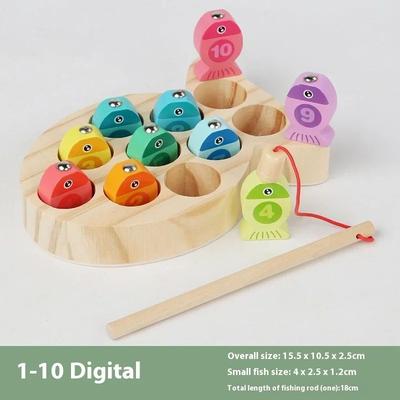
Inspire Select Wooden Montessori Fishing Toy Set Kids Number & Alphabet Learning Game For Early Education Training numbersMake learning fun and interactive with a playful educational experience. This Montessori fishing toy helps children develop essential skills while enjoying handson play. Designed for toddlers and young kids, this wooden learning toy combines...64,96 $*Shipping: 0,00 $Secure redirect to the provider
-
Is there a difference between "gern" and "gerne"?
In German, "gern" and "gerne" are essentially the same and can be used interchangeably. Both words mean "gladly" or "with pleasure" and are used to express a willingness or preference for something. The choice between using "gern" or "gerne" is a matter of personal preference or regional variation. **
-
What does "Ich will gern dein sein" mean?
"Ich will gern dein sein" is a German phrase that translates to "I want to gladly be yours" in English. It expresses a desire to belong to someone or to be in a close relationship with them. It conveys a sense of willingness and eagerness to be with the other person. **
-
Do you say "gern" or "gerne" when someone thanks you?
In German, both "gern" and "gerne" can be used when responding to someone thanking you. Both are correct and commonly used, so you can choose either one based on your personal preference. **
-
Is "Hab dich gern" the same as "Hab dich lieb"?
"Hab dich gern" and "Hab dich lieb" are similar expressions in German, both expressing affection towards someone. However, "Hab dich lieb" is considered a stronger expression of love compared to "Hab dich gern." While both convey feelings of care and fondness, "Hab dich lieb" is often reserved for closer relationships like family members or romantic partners, whereas "Hab dich gern" can be used more casually with friends or acquaintances. **
* All prices are inclusive of VAT and, if applicable, plus shipping costs. The offer information is based on the details provided by the respective shop and is updated through automated processes. Real-time updates do not occur, so deviations can occur in individual cases. ** Note: Parts of this content were created by AI.