Buy koupittridicak.com ?
We are moving the project
koupittridicak.com .
Are you interested in purchasing the domain
koupittridicak.com ?
domain@kv-gmbh.de · 0541-91531010
Buy koupittridicak.com ?
Is "Grüß Gott" blasphemy?
No, "Grüß Gott" is not blasphemy. It is a common greeting in German-speaking countries, particularly in Austria and Bavaria, and translates to "God bless you" or "Greetings to God." It is a polite and respectful way to greet someone and is not considered blasphemous. **
Is "Grüß Gott" said in Bremen?
"Grüß Gott" is not commonly said in Bremen, as it is a traditional greeting more commonly used in southern Germany and Austria. In Bremen, the typical greeting is "Moin" or "Moin Moin," which is a casual way of saying hello. However, due to the diverse population in Bremen, you may still hear "Grüß Gott" being used by some individuals. **


Similar search terms for Grüß
Top-Angebote
Products related to Grüß:
-
Tiny Tots Teens Trends Drawer Game Early Education Montessori Wooden Pitch Ball Box Preschool Learning Training Toy Drawer Game Early Education Montessori Wooden Pitch Ball Box Preschool Learning Training ToyThis Montessori Wooden Pitch Ball Box Drawer Game is a thoughtfully designed earlyeducation toy that transforms playtime into purposeful learning. Crafted for toddlers and preschoolers, it offers a handson, engaging way to support key developmental...39,97 $*Shipping: 0,00 $Secure redirect to the provider
-
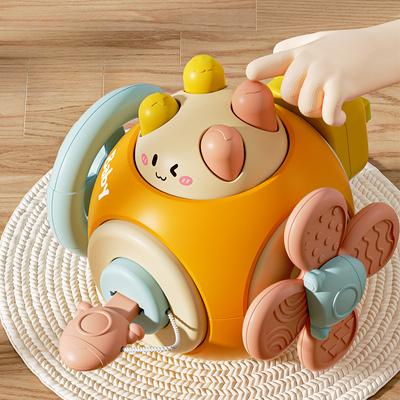
Tiny Tots Teens Trends Montessori Baby Training, Infant Puzzle Early Education Toys, Busy Hand Grasping Ball For Baby Montessori Baby Training, Infant Puzzle Early Education Toys, Busy Hand Grasping Ball For BabyIntroduce Your Baby to the World of Learning The Infant Puzzle Early Education Toys are designed to foster cognitive and physical development in your little one. This Multifunctional Busy Ball for Montessori Baby Training is ideal for enhancing...79,97 $*Shipping: 0,00 $Secure redirect to the provider
-
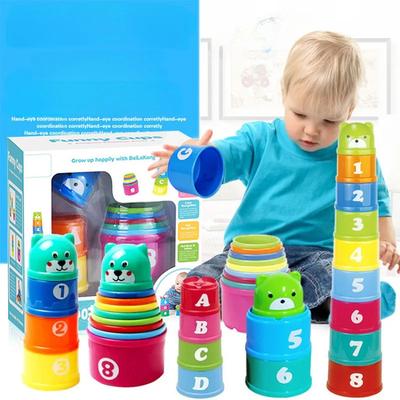
Modern Mode Marketplace Brain Response Battle Cup Set Fun Baby Stack Game For Early Education, Speed And HandEye Coordination Training Brain Response Battle Cup Set Fun Baby Stack Game For Early Education, Speed And HandEye Coordination TrainingUnlock your child's potential with the Brain Response Battle Cup Set! Perfect for young learners, this exciting game combines fun and education to develop handeye coordination and response speed. Ideal for babies and toddlers, it helps improve...29,97 $*Shipping: 0,00 $Secure redirect to the provider


-
Why do people say "Grüß Gott"?
People say "Grüß Gott" as a traditional greeting in German-speaking countries, especially in Bavaria and Austria. It is a way of wishing someone well and showing respect for their well-being. The phrase is also used as a sign of politeness and friendliness when meeting someone for the first time or entering a room. Additionally, "Grüß Gott" is often used in rural areas as a way of acknowledging the presence of a higher power or showing gratitude for blessings. **
-
Do Bavarian atheists say 'Grüß Gott'?
In Bavaria, it is common for both religious and non-religious people to use the greeting "Grüß Gott," which translates to "Greet God" in English. This traditional greeting is deeply ingrained in the culture of Bavaria and is used as a form of politeness and respect. Therefore, it is not uncommon for Bavarian atheists to use this greeting as a cultural tradition rather than as a religious expression. **
-
Is "Grüß Gott" a Christian greeting?
"Grüß Gott" is a traditional greeting in German-speaking countries, particularly in Bavaria and Austria. While it is often associated with Christianity due to the use of the word "Gott" (God), it is not exclusively a Christian greeting. It is used as a general greeting similar to "hello" and is also used by people of various religious backgrounds and beliefs. Therefore, it is more of a cultural and regional greeting rather than a specifically Christian one. **
-
Do you say "Grüß Gott" as a greeting?
Yes, "Grüß Gott" is a common greeting in some German-speaking regions, particularly in Bavaria and Austria. It is a traditional way of saying hello or goodbye, similar to saying "hello" or "good day" in English. The phrase is often used in more rural or traditional settings, while in urban areas, people may opt for more casual greetings. **

What are you saying? I say Grüß Gott.
I am saying "hello" in German. "Grüß Gott" is a common greeting in southern Germany and Austria, and it translates to "greet God" in English. It is a polite and respectful way to say hello, especially in more traditional or rural areas. It is similar to saying "hello" or "good day" in English. **
Why do people in Bavaria say "Grüß Gott"?
People in Bavaria say "Grüß Gott" as a traditional greeting that reflects the region's strong Catholic influence. "Grüß Gott" translates to "greet God" and is a way of wishing someone God's blessings and protection. It is deeply rooted in the religious and cultural history of Bavaria, and is used as a respectful and friendly greeting in everyday interactions. Saying "Grüß Gott" is a way for people in Bavaria to express their faith and cultural identity. **
Top-Angebote
Products related to Grüß:
-
Uplifted Finds Interactive Ring Toss Training System Professional Early Education & Pediatric Fitness Infrastructure Interactive Ring Toss Training System Professional Early Education & Pediatric Fitness InfrastructureCommand ultimate developmental confidence with the Interactive Ring Toss Training System, a highperformance educational solution specifically engineered to act as a comprehensive tool for elite organization and superior technical ergonomics. Built...52,97 $*Shipping: 0,00 $Secure redirect to the provider
-
Multicon Wholesale Hub Backyard Dog Agility Training Kit With Jumps, Tunnel & Obstacle Course For Dogs Backyard Dog Agility Training Kit With Jumps, Tunnel & Obstacle Course For DogsEnhance your dog's agility skills and create memorable bonding moments with the Backyard Dog Agility Training Kit. This versatile kit features a variety of obstacles like jumps, weave poles, and a tunnel, perfect for energetic dogs and their owners....168,97 $*Shipping: 0,00 $Secure redirect to the provider
-
Tiny Tots Teens Trends Drawer Game Early Education Montessori Wooden Pitch Ball Box Preschool Learning Training Toy Drawer Game Early Education Montessori Wooden Pitch Ball Box Preschool Learning Training ToyThis Montessori Wooden Pitch Ball Box Drawer Game is a thoughtfully designed earlyeducation toy that transforms playtime into purposeful learning. Crafted for toddlers and preschoolers, it offers a handson, engaging way to support key developmental...39,97 $*Shipping: 0,00 $Secure redirect to the provider
-
Tiny Tots Teens Trends Montessori Baby Training, Infant Puzzle Early Education Toys, Busy Hand Grasping Ball For Baby Montessori Baby Training, Infant Puzzle Early Education Toys, Busy Hand Grasping Ball For BabyIntroduce Your Baby to the World of Learning The Infant Puzzle Early Education Toys are designed to foster cognitive and physical development in your little one. This Multifunctional Busy Ball for Montessori Baby Training is ideal for enhancing...79,97 $*Shipping: 0,00 $Secure redirect to the provider
-
Is "Grüß Gott" blasphemy?
No, "Grüß Gott" is not blasphemy. It is a common greeting in German-speaking countries, particularly in Austria and Bavaria, and translates to "God bless you" or "Greetings to God." It is a polite and respectful way to greet someone and is not considered blasphemous. **
-
Is "Grüß Gott" said in Bremen?
"Grüß Gott" is not commonly said in Bremen, as it is a traditional greeting more commonly used in southern Germany and Austria. In Bremen, the typical greeting is "Moin" or "Moin Moin," which is a casual way of saying hello. However, due to the diverse population in Bremen, you may still hear "Grüß Gott" being used by some individuals. **
-
Why do people say "Grüß Gott"?
People say "Grüß Gott" as a traditional greeting in German-speaking countries, especially in Bavaria and Austria. It is a way of wishing someone well and showing respect for their well-being. The phrase is also used as a sign of politeness and friendliness when meeting someone for the first time or entering a room. Additionally, "Grüß Gott" is often used in rural areas as a way of acknowledging the presence of a higher power or showing gratitude for blessings. **
-
Do Bavarian atheists say 'Grüß Gott'?
In Bavaria, it is common for both religious and non-religious people to use the greeting "Grüß Gott," which translates to "Greet God" in English. This traditional greeting is deeply ingrained in the culture of Bavaria and is used as a form of politeness and respect. Therefore, it is not uncommon for Bavarian atheists to use this greeting as a cultural tradition rather than as a religious expression. **
Similar search terms for Grüß
-
Modern Mode Marketplace Brain Response Battle Cup Set Fun Baby Stack Game For Early Education, Speed And HandEye Coordination Training Brain Response Battle Cup Set Fun Baby Stack Game For Early Education, Speed And HandEye Coordination TrainingUnlock your child's potential with the Brain Response Battle Cup Set! Perfect for young learners, this exciting game combines fun and education to develop handeye coordination and response speed. Ideal for babies and toddlers, it helps improve...29,97 $*Shipping: 0,00 $Secure redirect to the provider
-
Klokick 50FT Ninja Warrior Obstacle Course for Kids with Swing Outdoor Playset Backyard Toys Training Equipment SetAbout the item: Slackline Swing Set Hapfan’s ninja obstacle course now includes a saucer swing, making it a versatile outdoor playset that doubles as a portable slackline and swing combo—perfect for dynamic backyard fun!135,79 $*Shipping: 0,00 $Secure redirect to the provider
-
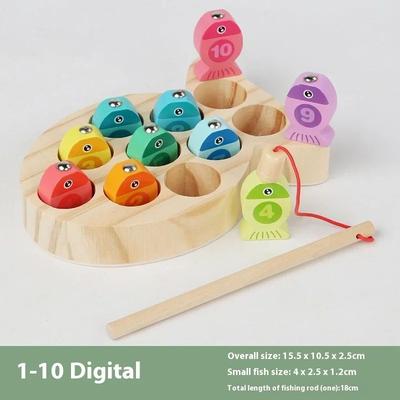
Inspire Select Wooden Montessori Fishing Toy Set Kids Number & Alphabet Learning Game For Early Education Training numbersMake learning fun and interactive with a playful educational experience. This Montessori fishing toy helps children develop essential skills while enjoying handson play. Designed for toddlers and young kids, this wooden learning toy combines...64,96 $*Shipping: 0,00 $Secure redirect to the provider
-
Is "Grüß Gott" a Christian greeting?
"Grüß Gott" is a traditional greeting in German-speaking countries, particularly in Bavaria and Austria. While it is often associated with Christianity due to the use of the word "Gott" (God), it is not exclusively a Christian greeting. It is used as a general greeting similar to "hello" and is also used by people of various religious backgrounds and beliefs. Therefore, it is more of a cultural and regional greeting rather than a specifically Christian one. **
-
Do you say "Grüß Gott" as a greeting?
Yes, "Grüß Gott" is a common greeting in some German-speaking regions, particularly in Bavaria and Austria. It is a traditional way of saying hello or goodbye, similar to saying "hello" or "good day" in English. The phrase is often used in more rural or traditional settings, while in urban areas, people may opt for more casual greetings. **
-
What are you saying? I say Grüß Gott.
I am saying "hello" in German. "Grüß Gott" is a common greeting in southern Germany and Austria, and it translates to "greet God" in English. It is a polite and respectful way to say hello, especially in more traditional or rural areas. It is similar to saying "hello" or "good day" in English. **
-
Why do people in Bavaria say "Grüß Gott"?
People in Bavaria say "Grüß Gott" as a traditional greeting that reflects the region's strong Catholic influence. "Grüß Gott" translates to "greet God" and is a way of wishing someone God's blessings and protection. It is deeply rooted in the religious and cultural history of Bavaria, and is used as a respectful and friendly greeting in everyday interactions. Saying "Grüß Gott" is a way for people in Bavaria to express their faith and cultural identity. **
* All prices are inclusive of VAT and, if applicable, plus shipping costs. The offer information is based on the details provided by the respective shop and is updated through automated processes. Real-time updates do not occur, so deviations can occur in individual cases. ** Note: Parts of this content were created by AI.