Buy koupittridicak.com ?
We are moving the project
koupittridicak.com .
Are you interested in purchasing the domain
koupittridicak.com ?
domain@kv-gmbh.de · 0541-91531010
Buy koupittridicak.com ?
How can one detoxify microplastics?
One way to detoxify microplastics is through the use of activated charcoal. Activated charcoal has a porous structure that can trap and bind to toxins, including microplastics, and help remove them from the body. Another method is to consume foods and supplements that support the body's natural detoxification processes, such as antioxidants and fiber-rich foods. Additionally, reducing exposure to sources of microplastics, such as single-use plastics and contaminated water, can help prevent further accumulation in the body. **
How can microplastics be made visible?
Microplastics can be made visible through various methods such as using specialized equipment like microscopes or infrared spectroscopy to detect and analyze them. Additionally, researchers can use fluorescent dyes that bind specifically to microplastics, making them easier to see under certain lighting conditions. Another method is filtering water samples and examining the residue left behind, as microplastics will be captured on the filter. Overall, a combination of techniques is often used to effectively visualize and quantify microplastics in different environments. **


Similar search terms for Microplastics
Top-Angebote
Products related to Microplastics:
-
Multicon Wholesale Hub Backyard Dog Agility Training Kit With Jumps, Tunnel & Obstacle Course For Dogs Backyard Dog Agility Training Kit With Jumps, Tunnel & Obstacle Course For DogsEnhance your dog's agility skills and create memorable bonding moments with the Backyard Dog Agility Training Kit. This versatile kit features a variety of obstacles like jumps, weave poles, and a tunnel, perfect for energetic dogs and their owners....168,97 $*Shipping: 0,00 $Secure redirect to the provider
-
Tiny Tots Teens Trends Drawer Game Early Education Montessori Wooden Pitch Ball Box Preschool Learning Training Toy Drawer Game Early Education Montessori Wooden Pitch Ball Box Preschool Learning Training ToyThis Montessori Wooden Pitch Ball Box Drawer Game is a thoughtfully designed earlyeducation toy that transforms playtime into purposeful learning. Crafted for toddlers and preschoolers, it offers a handson, engaging way to support key developmental...39,97 $*Shipping: 0,00 $Secure redirect to the provider
-
Tiny Tots Teens Trends Montessori Baby Training, Infant Puzzle Early Education Toys, Busy Hand Grasping Ball For Baby Montessori Baby Training, Infant Puzzle Early Education Toys, Busy Hand Grasping Ball For BabyIntroduce Your Baby to the World of Learning The Infant Puzzle Early Education Toys are designed to foster cognitive and physical development in your little one. This Multifunctional Busy Ball for Montessori Baby Training is ideal for enhancing...79,97 $*Shipping: 0,00 $Secure redirect to the provider




-
How can one make microplastics visible?
Microplastics can be made visible through the use of specialized equipment such as microscopes or infrared cameras. By magnifying the sample, microplastics that are too small to be seen with the naked eye can be identified and counted. Additionally, specific dyes or fluorescent markers can be used to stain the microplastics, making them easier to detect under certain lighting conditions. Sampling techniques such as filtration or sedimentation can also help concentrate microplastics from a larger sample, making them more visible for analysis. **
-
What is in wastewater: microplastics and silicones?
Wastewater can contain microplastics, which are tiny pieces of plastic less than 5mm in size that come from various sources such as personal care products, clothing, and packaging. Silicones are another common component found in wastewater, which are synthetic compounds used in a variety of products like shampoos, conditioners, and cosmetics. Both microplastics and silicones can pose environmental risks as they can accumulate in water bodies, harm aquatic life, and potentially enter the food chain. **
-
What is in the wastewater: microplastics and silicones?
Wastewater can contain microplastics, which are tiny plastic particles that come from a variety of sources such as clothing fibers, packaging materials, and personal care products. These microplastics can enter the wastewater system through activities like washing clothes or using personal care products. Additionally, silicones, which are synthetic polymers often used in personal care products and industrial processes, can also be found in wastewater. Both microplastics and silicones can pose environmental and health risks, making it important to address their presence in wastewater treatment processes. **
-
Do we all have microplastics in our bodies?
Yes, studies have found that microplastics have been detected in human bodies through various means such as in the gut, lungs, and even in placental tissue. These microplastics can enter our bodies through ingestion of contaminated food and water, as well as through inhalation of airborne particles. While the health impacts of microplastics in our bodies are still being studied, it is clear that they are pervasive in the environment and can accumulate in our bodies over time. **

What can be done about microplastics in the oceans?
To address the issue of microplastics in the oceans, several measures can be taken. Firstly, reducing the use of single-use plastics and promoting the use of biodegradable alternatives can help prevent the entry of more plastic into the oceans. Additionally, implementing proper waste management and recycling systems can help reduce the amount of plastic waste that ends up in the oceans. Furthermore, conducting clean-up operations and developing technologies to remove existing microplastics from the oceans can also be effective in mitigating the problem. Finally, raising awareness and educating the public about the impact of microplastics on marine ecosystems can help drive individual and collective action to address the issue. **
What is the difference between primary and secondary microplastics?
Primary microplastics are small plastic particles that are intentionally produced for use in products such as exfoliating scrubs, industrial abrasives, and air blasting. Secondary microplastics are the result of the breakdown of larger plastic items, such as water bottles, packaging materials, and fishing nets, due to weathering, sunlight, and mechanical action. Both types of microplastics can have negative impacts on the environment and wildlife, but primary microplastics are directly introduced into the environment, while secondary microplastics result from the degradation of larger plastic items. **
Top-Angebote
Products related to Microplastics:
-
Uplifted Finds Interactive Ring Toss Training System Professional Early Education & Pediatric Fitness Infrastructure Interactive Ring Toss Training System Professional Early Education & Pediatric Fitness InfrastructureCommand ultimate developmental confidence with the Interactive Ring Toss Training System, a highperformance educational solution specifically engineered to act as a comprehensive tool for elite organization and superior technical ergonomics. Built...52,97 $*Shipping: 0,00 $Secure redirect to the provider
-
Multicon Wholesale Hub Backyard Dog Agility Training Kit With Jumps, Tunnel & Obstacle Course For Dogs Backyard Dog Agility Training Kit With Jumps, Tunnel & Obstacle Course For DogsEnhance your dog's agility skills and create memorable bonding moments with the Backyard Dog Agility Training Kit. This versatile kit features a variety of obstacles like jumps, weave poles, and a tunnel, perfect for energetic dogs and their owners....168,97 $*Shipping: 0,00 $Secure redirect to the provider
-
Tiny Tots Teens Trends Drawer Game Early Education Montessori Wooden Pitch Ball Box Preschool Learning Training Toy Drawer Game Early Education Montessori Wooden Pitch Ball Box Preschool Learning Training ToyThis Montessori Wooden Pitch Ball Box Drawer Game is a thoughtfully designed earlyeducation toy that transforms playtime into purposeful learning. Crafted for toddlers and preschoolers, it offers a handson, engaging way to support key developmental...39,97 $*Shipping: 0,00 $Secure redirect to the provider
-
How can one detoxify microplastics?
One way to detoxify microplastics is through the use of activated charcoal. Activated charcoal has a porous structure that can trap and bind to toxins, including microplastics, and help remove them from the body. Another method is to consume foods and supplements that support the body's natural detoxification processes, such as antioxidants and fiber-rich foods. Additionally, reducing exposure to sources of microplastics, such as single-use plastics and contaminated water, can help prevent further accumulation in the body. **
-
How can microplastics be made visible?
Microplastics can be made visible through various methods such as using specialized equipment like microscopes or infrared spectroscopy to detect and analyze them. Additionally, researchers can use fluorescent dyes that bind specifically to microplastics, making them easier to see under certain lighting conditions. Another method is filtering water samples and examining the residue left behind, as microplastics will be captured on the filter. Overall, a combination of techniques is often used to effectively visualize and quantify microplastics in different environments. **
-
How can one make microplastics visible?
Microplastics can be made visible through the use of specialized equipment such as microscopes or infrared cameras. By magnifying the sample, microplastics that are too small to be seen with the naked eye can be identified and counted. Additionally, specific dyes or fluorescent markers can be used to stain the microplastics, making them easier to detect under certain lighting conditions. Sampling techniques such as filtration or sedimentation can also help concentrate microplastics from a larger sample, making them more visible for analysis. **
-
What is in wastewater: microplastics and silicones?
Wastewater can contain microplastics, which are tiny pieces of plastic less than 5mm in size that come from various sources such as personal care products, clothing, and packaging. Silicones are another common component found in wastewater, which are synthetic compounds used in a variety of products like shampoos, conditioners, and cosmetics. Both microplastics and silicones can pose environmental risks as they can accumulate in water bodies, harm aquatic life, and potentially enter the food chain. **
Similar search terms for Microplastics
-
Tiny Tots Teens Trends Montessori Baby Training, Infant Puzzle Early Education Toys, Busy Hand Grasping Ball For Baby Montessori Baby Training, Infant Puzzle Early Education Toys, Busy Hand Grasping Ball For BabyIntroduce Your Baby to the World of Learning The Infant Puzzle Early Education Toys are designed to foster cognitive and physical development in your little one. This Multifunctional Busy Ball for Montessori Baby Training is ideal for enhancing...79,97 $*Shipping: 0,00 $Secure redirect to the provider
-
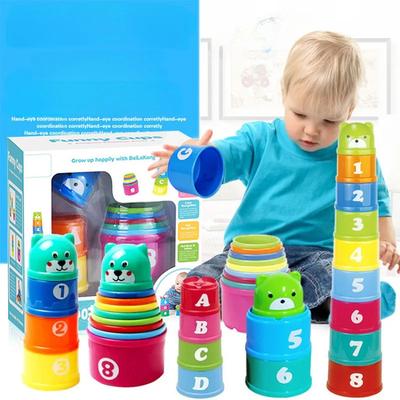
Modern Mode Marketplace Brain Response Battle Cup Set Fun Baby Stack Game For Early Education, Speed And HandEye Coordination Training Brain Response Battle Cup Set Fun Baby Stack Game For Early Education, Speed And HandEye Coordination TrainingUnlock your child's potential with the Brain Response Battle Cup Set! Perfect for young learners, this exciting game combines fun and education to develop handeye coordination and response speed. Ideal for babies and toddlers, it helps improve...29,97 $*Shipping: 0,00 $Secure redirect to the provider
-
Klokick 50FT Ninja Warrior Obstacle Course for Kids with Swing Outdoor Playset Backyard Toys Training Equipment SetAbout the item: Slackline Swing Set Hapfan’s ninja obstacle course now includes a saucer swing, making it a versatile outdoor playset that doubles as a portable slackline and swing combo—perfect for dynamic backyard fun!135,79 $*Shipping: 0,00 $Secure redirect to the provider
-
What is in the wastewater: microplastics and silicones?
Wastewater can contain microplastics, which are tiny plastic particles that come from a variety of sources such as clothing fibers, packaging materials, and personal care products. These microplastics can enter the wastewater system through activities like washing clothes or using personal care products. Additionally, silicones, which are synthetic polymers often used in personal care products and industrial processes, can also be found in wastewater. Both microplastics and silicones can pose environmental and health risks, making it important to address their presence in wastewater treatment processes. **
-
Do we all have microplastics in our bodies?
Yes, studies have found that microplastics have been detected in human bodies through various means such as in the gut, lungs, and even in placental tissue. These microplastics can enter our bodies through ingestion of contaminated food and water, as well as through inhalation of airborne particles. While the health impacts of microplastics in our bodies are still being studied, it is clear that they are pervasive in the environment and can accumulate in our bodies over time. **
-
What can be done about microplastics in the oceans?
To address the issue of microplastics in the oceans, several measures can be taken. Firstly, reducing the use of single-use plastics and promoting the use of biodegradable alternatives can help prevent the entry of more plastic into the oceans. Additionally, implementing proper waste management and recycling systems can help reduce the amount of plastic waste that ends up in the oceans. Furthermore, conducting clean-up operations and developing technologies to remove existing microplastics from the oceans can also be effective in mitigating the problem. Finally, raising awareness and educating the public about the impact of microplastics on marine ecosystems can help drive individual and collective action to address the issue. **
-
What is the difference between primary and secondary microplastics?
Primary microplastics are small plastic particles that are intentionally produced for use in products such as exfoliating scrubs, industrial abrasives, and air blasting. Secondary microplastics are the result of the breakdown of larger plastic items, such as water bottles, packaging materials, and fishing nets, due to weathering, sunlight, and mechanical action. Both types of microplastics can have negative impacts on the environment and wildlife, but primary microplastics are directly introduced into the environment, while secondary microplastics result from the degradation of larger plastic items. **
* All prices are inclusive of VAT and, if applicable, plus shipping costs. The offer information is based on the details provided by the respective shop and is updated through automated processes. Real-time updates do not occur, so deviations can occur in individual cases. ** Note: Parts of this content were created by AI.