Buy koupittridicak.com ?
We are moving the project
koupittridicak.com .
Are you interested in purchasing the domain
koupittridicak.com ?
domain@kv-gmbh.de · 0541-91531010
Buy koupittridicak.com ?
Why is a plasmid needed for gene transfer?
A plasmid is needed for gene transfer because it serves as a vector to carry the gene of interest into a host cell. Plasmids are small, circular DNA molecules that can replicate independently of the host cell's chromosomal DNA. This allows the gene of interest to be maintained and expressed within the host cell. Additionally, plasmids often contain antibiotic resistance genes, which can be used as a selectable marker to identify cells that have successfully taken up the gene of interest. **
Why is a plasmid needed in gene transfer?
A plasmid is needed in gene transfer because it serves as a vector to carry the gene of interest into the target cell. Plasmids are small, circular DNA molecules that can replicate independently of the host cell's chromosomal DNA. This allows the gene of interest to be maintained and expressed within the target cell. Additionally, plasmids often contain antibiotic resistance genes, which can be used as selectable markers to identify cells that have successfully taken up the gene of interest. **


Similar search terms for Plasmid
Top-Angebote
Products related to Plasmid:
-
Multicon Wholesale Hub Backyard Dog Agility Training Kit With Jumps, Tunnel & Obstacle Course For Dogs Backyard Dog Agility Training Kit With Jumps, Tunnel & Obstacle Course For DogsEnhance your dog's agility skills and create memorable bonding moments with the Backyard Dog Agility Training Kit. This versatile kit features a variety of obstacles like jumps, weave poles, and a tunnel, perfect for energetic dogs and their owners....168,97 $*Shipping: 0,00 $Secure redirect to the provider
-
Tiny Tots Teens Trends Montessori Baby Training, Infant Puzzle Early Education Toys, Busy Hand Grasping Ball For Baby Montessori Baby Training, Infant Puzzle Early Education Toys, Busy Hand Grasping Ball For BabyIntroduce Your Baby to the World of Learning The Infant Puzzle Early Education Toys are designed to foster cognitive and physical development in your little one. This Multifunctional Busy Ball for Montessori Baby Training is ideal for enhancing...79,97 $*Shipping: 0,00 $Secure redirect to the provider
-
Care+ HIV rapid test (1 test)Professional rapid test for the detection of HIV-1/HIV-2 antibodies, to aid in the diagnosis of HIV infection. For use only by healthcare professionals and authorised organisations.What is the test for?The HIV rapid test is a visual immunoassay for the qualitative detection of antibodies to HIV-1 and HIV-2 in human whole blood, serum or plasma. It aids in the diagnosis of HIV infection.It is estimated that 200–300 new HIV infections are registered in Hungary each year, and the number of undiagnosed cases is significant. Early detection is key, which is why regular screening is important. It takes time for antibodies to develop after infection (the window period), so an antibody test may still give a negative result in the case of a recent infection.Professional use and sales restrictionsThis is not a home self-test. The product may only be used by trained healthcare professionals (for example, in a medical practice, clinic or screening centre). The manufacturer and distributor accept no responsibility for use for self-testing.Under Decree 2/2008 (I. 8.) of the Ministry of Health, HIV rapid tests may only be stocked in institutional pharmacies, for use in inpatient care. The product may be purchased by healthcare institutions, doctors and organisations authorised to provide AIDS screening.Contents1 test cassette1 disposable pipetteBuffer solution1 finger-prick lancet1 alcohol wipeHungarian-language instructions for useProduct featuresPack size: 1Type: in vitro diagnostic (IVD) cassette rapid testAnalyte detected: antibodies to HIV-1 and HIV-2Sample: whole blood (including finger-prick blood), serum or plasmaResult: read after 10 minutes; cannot be interpreted after 20 minutesUse: professionalManufacturer: Assure Tech. (Hangzhou) Co., Ltd., ChinaAccuracy (manufacturer’s data)Diagnostic sensitivity: more than 99% (95% confidence interval: 99.4–100.0%), based on testing 602 HIV-positive samplesTest procedure (for professionals)Bring the test and sample to room temperature (15–30 °C) before use. Once the pouch has been opened, perform the test within one hour.For whole blood, add 2 drops (approx. 50 µl) of blood to the sample well (S), then add 1 drop of buffer.For serum or plasma, use 1 drop of sample and 1 drop of buffer.Read the result after 10 minutes. The result cannot be interpreted after 20 minutes.Interpreting the resultPositive: two lines appear, in the control (C) and test (T) regions.Negative: only the control (C) line appears.Invalid: the control (C) line does not appear. Repeat the test using a new test device.Important information:For use by healthcare professionals only; not suitable for self-testingIn the case of a recent infection, the test may still be negative because of the window periodA positive result must be confirmed by a medical confirmatory testBlood, samples and used equipment must be treated as potentially infectiousSingle-use in vitro diagnostic (IVD) rapid testRead the accompanying Hungarian-language instructions for use...22,23 £*Shipping: 6,10 £Secure redirect to the provider
-
Modern Mode Marketplace Brain Response Battle Cup Set Fun Baby Stack Game For Early Education, Speed And HandEye Coordination Training Brain Response Battle Cup Set Fun Baby Stack Game For Early Education, Speed And HandEye Coordination TrainingUnlock your child's potential with the Brain Response Battle Cup Set! Perfect for young learners, this exciting game combines fun and education to develop handeye coordination and response speed. Ideal for babies and toddlers, it helps improve...29,97 $*Shipping: 0,00 $Secure redirect to the provider




-
Why do you actually need a plasmid in gene transfer?
Plasmids are essential in gene transfer because they act as vectors to carry the desired gene into the target cell. They provide a stable and replicable platform for the gene of interest to be inserted and expressed in the host cell. Plasmids also often contain antibiotic resistance genes, which allow for the selection of cells that have successfully taken up the gene of interest. Overall, plasmids are crucial tools in genetic engineering and gene transfer techniques. **
-
What necessary changes need to be made to the Ti plasmid representation?
The Ti plasmid representation needs to include more detailed information on its structure, function, and role in genetic engineering. It should also highlight the importance of the Ti plasmid in plant biotechnology, specifically in the creation of genetically modified crops. Additionally, the representation should emphasize the ethical considerations and potential risks associated with the use of Ti plasmids in genetic engineering. Overall, a more comprehensive and balanced portrayal of the Ti plasmid is needed to provide a thorough understanding of its significance in biotechnology. **
-
What necessary changes need to be made to the Ti plasmid diagram?
The Ti plasmid diagram needs to include the T-DNA region, which is the segment of DNA that is transferred into the plant cell during the infection process. This region contains the genes responsible for plant transformation. Additionally, the diagram should show the Vir genes, which are essential for the transfer of the T-DNA into the plant cell. Finally, the diagram should also include the origin of replication and any other important regulatory elements necessary for the replication and maintenance of the plasmid in both the bacterium and the plant cell. **
-
What necessary changes need to be made to the Ti plasmid illustration?
The Ti plasmid illustration needs to include the T-DNA region, which is the segment of DNA that is transferred into the plant cell during the infection process. Additionally, the illustration should show the presence of the virulence genes that are responsible for the transfer of the T-DNA into the plant cell. It would also be helpful to include labels for the different regions of the Ti plasmid to provide a clear understanding of its structure and function. **

How do you read the map of a plasmid clockwise or counterclockwise?
When reading the map of a plasmid, you typically start at the 12 o'clock position and move clockwise. This allows you to follow the direction of the DNA sequence and identify the location of specific genes, restriction sites, and other important features. Reading the map in a clockwise direction helps to orient yourself and understand the organization of the plasmid. **
Why does the plasmid in genetic engineering confer traits such as antibiotic resistance?
Plasmids in genetic engineering often carry genes that confer traits such as antibiotic resistance because they provide a selective advantage to the bacteria that harbor them. When bacteria are exposed to antibiotics, those without the resistance gene are killed off, leaving behind the resistant bacteria to survive and reproduce. This allows the resistance gene to be passed on to future generations, contributing to the spread of antibiotic resistance. In genetic engineering, scientists can manipulate and transfer these plasmids to introduce specific traits, such as antibiotic resistance, into target organisms. **
Top-Angebote
Products related to Plasmid:
-
PRiME PU Leather Car Registration Insurance Holder For Men, Auto Document Organizer Bag, Driving License Cover & Credit Card red licenseKeep your essential vehicle documents organized and protected with this premium Car Registration Insurance Holder designed specifically for men. Crafted from highquality PU leather, this compact storage bag delivers a sleek, masculine look while...22,97 $*Shipping: 0,00 $Secure redirect to the provider
-
Tiny Tots Teens Trends Drawer Game Early Education Montessori Wooden Pitch Ball Box Preschool Learning Training Toy Drawer Game Early Education Montessori Wooden Pitch Ball Box Preschool Learning Training ToyThis Montessori Wooden Pitch Ball Box Drawer Game is a thoughtfully designed earlyeducation toy that transforms playtime into purposeful learning. Crafted for toddlers and preschoolers, it offers a handson, engaging way to support key developmental...39,97 $*Shipping: 0,00 $Secure redirect to the provider
-
Multicon Wholesale Hub Backyard Dog Agility Training Kit With Jumps, Tunnel & Obstacle Course For Dogs Backyard Dog Agility Training Kit With Jumps, Tunnel & Obstacle Course For DogsEnhance your dog's agility skills and create memorable bonding moments with the Backyard Dog Agility Training Kit. This versatile kit features a variety of obstacles like jumps, weave poles, and a tunnel, perfect for energetic dogs and their owners....168,97 $*Shipping: 0,00 $Secure redirect to the provider
-
Tiny Tots Teens Trends Montessori Baby Training, Infant Puzzle Early Education Toys, Busy Hand Grasping Ball For Baby Montessori Baby Training, Infant Puzzle Early Education Toys, Busy Hand Grasping Ball For BabyIntroduce Your Baby to the World of Learning The Infant Puzzle Early Education Toys are designed to foster cognitive and physical development in your little one. This Multifunctional Busy Ball for Montessori Baby Training is ideal for enhancing...79,97 $*Shipping: 0,00 $Secure redirect to the provider
-
Why is a plasmid needed for gene transfer?
A plasmid is needed for gene transfer because it serves as a vector to carry the gene of interest into a host cell. Plasmids are small, circular DNA molecules that can replicate independently of the host cell's chromosomal DNA. This allows the gene of interest to be maintained and expressed within the host cell. Additionally, plasmids often contain antibiotic resistance genes, which can be used as a selectable marker to identify cells that have successfully taken up the gene of interest. **
-
Why is a plasmid needed in gene transfer?
A plasmid is needed in gene transfer because it serves as a vector to carry the gene of interest into the target cell. Plasmids are small, circular DNA molecules that can replicate independently of the host cell's chromosomal DNA. This allows the gene of interest to be maintained and expressed within the target cell. Additionally, plasmids often contain antibiotic resistance genes, which can be used as selectable markers to identify cells that have successfully taken up the gene of interest. **
-
Why do you actually need a plasmid in gene transfer?
Plasmids are essential in gene transfer because they act as vectors to carry the desired gene into the target cell. They provide a stable and replicable platform for the gene of interest to be inserted and expressed in the host cell. Plasmids also often contain antibiotic resistance genes, which allow for the selection of cells that have successfully taken up the gene of interest. Overall, plasmids are crucial tools in genetic engineering and gene transfer techniques. **
-
What necessary changes need to be made to the Ti plasmid representation?
The Ti plasmid representation needs to include more detailed information on its structure, function, and role in genetic engineering. It should also highlight the importance of the Ti plasmid in plant biotechnology, specifically in the creation of genetically modified crops. Additionally, the representation should emphasize the ethical considerations and potential risks associated with the use of Ti plasmids in genetic engineering. Overall, a more comprehensive and balanced portrayal of the Ti plasmid is needed to provide a thorough understanding of its significance in biotechnology. **
Similar search terms for Plasmid
-
Care+ HIV rapid test (1 test)Professional rapid test for the detection of HIV-1/HIV-2 antibodies, to aid in the diagnosis of HIV infection. For use only by healthcare professionals and authorised organisations.What is the test for?The HIV rapid test is a visual immunoassay for the qualitative detection of antibodies to HIV-1 and HIV-2 in human whole blood, serum or plasma. It aids in the diagnosis of HIV infection.It is estimated that 200–300 new HIV infections are registered in Hungary each year, and the number of undiagnosed cases is significant. Early detection is key, which is why regular screening is important. It takes time for antibodies to develop after infection (the window period), so an antibody test may still give a negative result in the case of a recent infection.Professional use and sales restrictionsThis is not a home self-test. The product may only be used by trained healthcare professionals (for example, in a medical practice, clinic or screening centre). The manufacturer and distributor accept no responsibility for use for self-testing.Under Decree 2/2008 (I. 8.) of the Ministry of Health, HIV rapid tests may only be stocked in institutional pharmacies, for use in inpatient care. The product may be purchased by healthcare institutions, doctors and organisations authorised to provide AIDS screening.Contents1 test cassette1 disposable pipetteBuffer solution1 finger-prick lancet1 alcohol wipeHungarian-language instructions for useProduct featuresPack size: 1Type: in vitro diagnostic (IVD) cassette rapid testAnalyte detected: antibodies to HIV-1 and HIV-2Sample: whole blood (including finger-prick blood), serum or plasmaResult: read after 10 minutes; cannot be interpreted after 20 minutesUse: professionalManufacturer: Assure Tech. (Hangzhou) Co., Ltd., ChinaAccuracy (manufacturer’s data)Diagnostic sensitivity: more than 99% (95% confidence interval: 99.4–100.0%), based on testing 602 HIV-positive samplesTest procedure (for professionals)Bring the test and sample to room temperature (15–30 °C) before use. Once the pouch has been opened, perform the test within one hour.For whole blood, add 2 drops (approx. 50 µl) of blood to the sample well (S), then add 1 drop of buffer.For serum or plasma, use 1 drop of sample and 1 drop of buffer.Read the result after 10 minutes. The result cannot be interpreted after 20 minutes.Interpreting the resultPositive: two lines appear, in the control (C) and test (T) regions.Negative: only the control (C) line appears.Invalid: the control (C) line does not appear. Repeat the test using a new test device.Important information:For use by healthcare professionals only; not suitable for self-testingIn the case of a recent infection, the test may still be negative because of the window periodA positive result must be confirmed by a medical confirmatory testBlood, samples and used equipment must be treated as potentially infectiousSingle-use in vitro diagnostic (IVD) rapid testRead the accompanying Hungarian-language instructions for use...22,23 £*Shipping: 6,10 £Secure redirect to the provider
-
Modern Mode Marketplace Brain Response Battle Cup Set Fun Baby Stack Game For Early Education, Speed And HandEye Coordination Training Brain Response Battle Cup Set Fun Baby Stack Game For Early Education, Speed And HandEye Coordination TrainingUnlock your child's potential with the Brain Response Battle Cup Set! Perfect for young learners, this exciting game combines fun and education to develop handeye coordination and response speed. Ideal for babies and toddlers, it helps improve...29,97 $*Shipping: 0,00 $Secure redirect to the provider
-
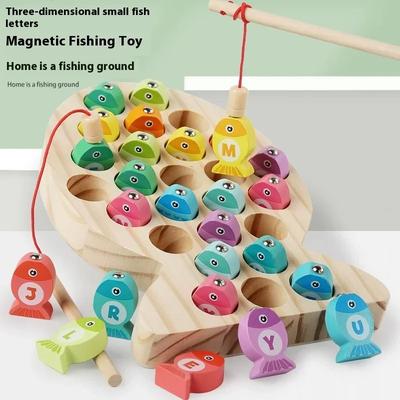
Inspire Select Wooden Montessori Fishing Toy Set Kids Number & Alphabet Learning Game For Early Education Training lettersMake learning fun and interactive with a playful educational experience. This Montessori fishing toy helps children develop essential skills while enjoying handson play. Designed for toddlers and young kids, this wooden learning toy combines...96,97 $*Shipping: 0,00 $Secure redirect to the provider
-
Inspire Picks 2PCS Multimeter Test Clips Red & Black Alligator Clip Test Lead Accessories 2PCS Multimeter Test Clips Red & Black Alligator Clip Test Lead AccessoriesMake electrical testing safer and more convenient with these multimeter test clips. Designed for use with compatible multimeters and testing equipment, these durable red and black clips provide a secure connection for handsfree measurements. Ideal...34,93 $*Shipping: 0,00 $Secure redirect to the provider
-
What necessary changes need to be made to the Ti plasmid diagram?
The Ti plasmid diagram needs to include the T-DNA region, which is the segment of DNA that is transferred into the plant cell during the infection process. This region contains the genes responsible for plant transformation. Additionally, the diagram should show the Vir genes, which are essential for the transfer of the T-DNA into the plant cell. Finally, the diagram should also include the origin of replication and any other important regulatory elements necessary for the replication and maintenance of the plasmid in both the bacterium and the plant cell. **
-
What necessary changes need to be made to the Ti plasmid illustration?
The Ti plasmid illustration needs to include the T-DNA region, which is the segment of DNA that is transferred into the plant cell during the infection process. Additionally, the illustration should show the presence of the virulence genes that are responsible for the transfer of the T-DNA into the plant cell. It would also be helpful to include labels for the different regions of the Ti plasmid to provide a clear understanding of its structure and function. **
-
How do you read the map of a plasmid clockwise or counterclockwise?
When reading the map of a plasmid, you typically start at the 12 o'clock position and move clockwise. This allows you to follow the direction of the DNA sequence and identify the location of specific genes, restriction sites, and other important features. Reading the map in a clockwise direction helps to orient yourself and understand the organization of the plasmid. **
-
Why does the plasmid in genetic engineering confer traits such as antibiotic resistance?
Plasmids in genetic engineering often carry genes that confer traits such as antibiotic resistance because they provide a selective advantage to the bacteria that harbor them. When bacteria are exposed to antibiotics, those without the resistance gene are killed off, leaving behind the resistant bacteria to survive and reproduce. This allows the resistance gene to be passed on to future generations, contributing to the spread of antibiotic resistance. In genetic engineering, scientists can manipulate and transfer these plasmids to introduce specific traits, such as antibiotic resistance, into target organisms. **
* All prices are inclusive of VAT and, if applicable, plus shipping costs. The offer information is based on the details provided by the respective shop and is updated through automated processes. Real-time updates do not occur, so deviations can occur in individual cases. ** Note: Parts of this content were created by AI.