Buy koupittridicak.com ?
We are moving the project
koupittridicak.com .
Are you interested in purchasing the domain
koupittridicak.com ?
domain@kv-gmbh.de · 0541-91531010
Buy koupittridicak.com ?
What exactly is Shintoism?
Shintoism is an indigenous religion of Japan that focuses on the worship of kami, which are spirits or deities believed to inhabit natural elements, objects, and ancestors. It emphasizes rituals, traditions, and practices that aim to maintain harmony with the natural world and promote a connection between humans and the divine. Shintoism does not have a single founder or central religious text, but it is deeply rooted in Japanese culture and history. Followers of Shintoism often visit shrines to pay respects to the kami and participate in ceremonies to seek blessings and protection. **
What is Shintoism about?
Shintoism is a traditional Japanese religion that focuses on the worship of kami, which are spirits or deities that are believed to inhabit the natural world, such as mountains, rivers, and trees. Shintoism emphasizes the importance of rituals and ceremonies to honor and communicate with the kami, as well as the concept of purity and harmony with nature. It also places a strong emphasis on the connection between the living and the spirits of ancestors. Shintoism is deeply ingrained in Japanese culture and has influenced various aspects of Japanese society, including art, architecture, and festivals. **


Similar search terms for Shintoism
Top-Angebote
Products related to Shintoism:
-
Tiny Tots Teens Trends Drawer Game Early Education Montessori Wooden Pitch Ball Box Preschool Learning Training Toy Drawer Game Early Education Montessori Wooden Pitch Ball Box Preschool Learning Training ToyThis Montessori Wooden Pitch Ball Box Drawer Game is a thoughtfully designed earlyeducation toy that transforms playtime into purposeful learning. Crafted for toddlers and preschoolers, it offers a handson, engaging way to support key developmental...39,97 $*Shipping: 0,00 $Secure redirect to the provider
-
Multicon Wholesale Hub Backyard Dog Agility Training Kit With Jumps, Tunnel & Obstacle Course For Dogs Backyard Dog Agility Training Kit With Jumps, Tunnel & Obstacle Course For DogsEnhance your dog's agility skills and create memorable bonding moments with the Backyard Dog Agility Training Kit. This versatile kit features a variety of obstacles like jumps, weave poles, and a tunnel, perfect for energetic dogs and their owners....168,97 $*Shipping: 0,00 $Secure redirect to the provider
-
Market Central Leather Car Document Holder Organizer For Driving License Insurance Papers And Cards pinkKeep every important driving document protected, organized, and ready whenever you need it. This stylish car document holder is designed for drivers who want a neat solution for licenses, insurance papers, and daily cards without carrying bulky...39,97 $*Shipping: 0,00 $Secure redirect to the provider
-
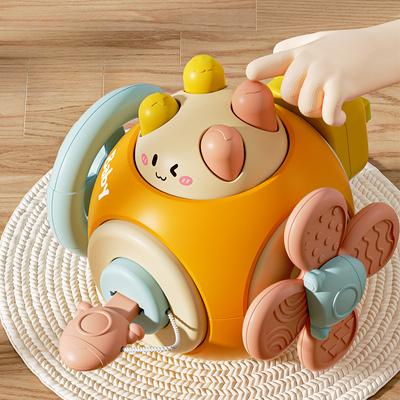
Tiny Tots Teens Trends Montessori Baby Training, Infant Puzzle Early Education Toys, Busy Hand Grasping Ball For Baby Montessori Baby Training, Infant Puzzle Early Education Toys, Busy Hand Grasping Ball For BabyIntroduce Your Baby to the World of Learning The Infant Puzzle Early Education Toys are designed to foster cognitive and physical development in your little one. This Multifunctional Busy Ball for Montessori Baby Training is ideal for enhancing...79,97 $*Shipping: 0,00 $Secure redirect to the provider



-
Where is Shintoism widely practiced?
Shintoism is widely practiced in Japan, where it is considered the indigenous religion. It is an integral part of Japanese culture and society, with many traditions and customs influenced by Shinto beliefs. Shinto shrines can be found throughout Japan, and many Japanese people participate in Shinto rituals and ceremonies for various occasions such as weddings, festivals, and New Year celebrations. **
-
What is Shintoism in Germany?
Shintoism in Germany refers to the practice and belief in the traditional Japanese religion of Shinto by individuals and communities in Germany. It is a relatively small religious community in the country, with a few Shinto shrines and organizations established to serve the Japanese expatriate community and those interested in Japanese culture and spirituality. Shintoism in Germany often involves the celebration of traditional Japanese festivals, rituals, and customs, as well as the worship of Shinto deities and spirits. It is also influenced by the broader interest in Japanese culture and spirituality in Germany. **
-
What happens in Shintoism after death?
In Shintoism, death is seen as a transition rather than an end. It is believed that the deceased person's spirit continues to exist and can influence the living. Ancestor veneration is an important aspect of Shinto beliefs, where rituals and offerings are made to honor and appease the spirits of the deceased. The ultimate goal is for the deceased to become a protective and benevolent ancestor who watches over and guides their living descendants. **
-
How can one convert to Shintoism?
To convert to Shintoism, one can start by learning about the beliefs, practices, and rituals of the religion. It is important to understand the concept of kami (spirits or deities) and the reverence for nature in Shintoism. One can also visit Shinto shrines, participate in rituals, and seek guidance from Shinto priests. Ultimately, conversion to Shintoism involves a personal commitment to the beliefs and values of the religion, as well as a sincere respect for its traditions and customs. **


What does one do in Shintoism?
In Shintoism, practitioners engage in various rituals and practices to honor and connect with the kami, or spirits, that are believed to inhabit the natural world. This can include visiting shrines, making offerings, and participating in festivals and ceremonies. Additionally, followers may also engage in purification rituals, meditation, and prayer to seek blessings and guidance from the kami. Overall, the focus of Shintoism is on maintaining harmony and reverence for the natural world and the spirits that inhabit it. **
How is death perceived in Shintoism?
In Shintoism, death is seen as a natural part of the cycle of life, and it is believed that the spirits of the deceased continue to exist in the spiritual world. There is a strong emphasis on honoring and respecting the ancestors, and rituals and ceremonies are performed to pay tribute to them. Death is not seen as an end, but rather as a transition to the spiritual realm, and it is believed that the spirits of the deceased can continue to influence the lives of the living. Overall, death is perceived with a sense of reverence and connection to the spiritual world in Shintoism. **
Top-Angebote
Products related to Shintoism:
-
PRiME PU Leather Car Registration Insurance Holder For Men, Auto Document Organizer Bag, Driving License Cover & Credit Card red licenseKeep your essential vehicle documents organized and protected with this premium Car Registration Insurance Holder designed specifically for men. Crafted from highquality PU leather, this compact storage bag delivers a sleek, masculine look while...22,97 $*Shipping: 0,00 $Secure redirect to the provider
-
Care+ HIV rapid test (1 test)Professional rapid test for the detection of HIV-1/HIV-2 antibodies, to aid in the diagnosis of HIV infection. For use only by healthcare professionals and authorised organisations.What is the test for?The HIV rapid test is a visual immunoassay for the qualitative detection of antibodies to HIV-1 and HIV-2 in human whole blood, serum or plasma. It aids in the diagnosis of HIV infection.It is estimated that 200–300 new HIV infections are registered in Hungary each year, and the number of undiagnosed cases is significant. Early detection is key, which is why regular screening is important. It takes time for antibodies to develop after infection (the window period), so an antibody test may still give a negative result in the case of a recent infection.Professional use and sales restrictionsThis is not a home self-test. The product may only be used by trained healthcare professionals (for example, in a medical practice, clinic or screening centre). The manufacturer and distributor accept no responsibility for use for self-testing.Under Decree 2/2008 (I. 8.) of the Ministry of Health, HIV rapid tests may only be stocked in institutional pharmacies, for use in inpatient care. The product may be purchased by healthcare institutions, doctors and organisations authorised to provide AIDS screening.Contents1 test cassette1 disposable pipetteBuffer solution1 finger-prick lancet1 alcohol wipeHungarian-language instructions for useProduct featuresPack size: 1Type: in vitro diagnostic (IVD) cassette rapid testAnalyte detected: antibodies to HIV-1 and HIV-2Sample: whole blood (including finger-prick blood), serum or plasmaResult: read after 10 minutes; cannot be interpreted after 20 minutesUse: professionalManufacturer: Assure Tech. (Hangzhou) Co., Ltd., ChinaAccuracy (manufacturer’s data)Diagnostic sensitivity: more than 99% (95% confidence interval: 99.4–100.0%), based on testing 602 HIV-positive samplesTest procedure (for professionals)Bring the test and sample to room temperature (15–30 °C) before use. Once the pouch has been opened, perform the test within one hour.For whole blood, add 2 drops (approx. 50 µl) of blood to the sample well (S), then add 1 drop of buffer.For serum or plasma, use 1 drop of sample and 1 drop of buffer.Read the result after 10 minutes. The result cannot be interpreted after 20 minutes.Interpreting the resultPositive: two lines appear, in the control (C) and test (T) regions.Negative: only the control (C) line appears.Invalid: the control (C) line does not appear. Repeat the test using a new test device.Important information:For use by healthcare professionals only; not suitable for self-testingIn the case of a recent infection, the test may still be negative because of the window periodA positive result must be confirmed by a medical confirmatory testBlood, samples and used equipment must be treated as potentially infectiousSingle-use in vitro diagnostic (IVD) rapid testRead the accompanying Hungarian-language instructions for use...22,23 £*Shipping: 6,10 £Secure redirect to the provider
-
Tiny Tots Teens Trends Drawer Game Early Education Montessori Wooden Pitch Ball Box Preschool Learning Training Toy Drawer Game Early Education Montessori Wooden Pitch Ball Box Preschool Learning Training ToyThis Montessori Wooden Pitch Ball Box Drawer Game is a thoughtfully designed earlyeducation toy that transforms playtime into purposeful learning. Crafted for toddlers and preschoolers, it offers a handson, engaging way to support key developmental...39,97 $*Shipping: 0,00 $Secure redirect to the provider
-
Multicon Wholesale Hub Backyard Dog Agility Training Kit With Jumps, Tunnel & Obstacle Course For Dogs Backyard Dog Agility Training Kit With Jumps, Tunnel & Obstacle Course For DogsEnhance your dog's agility skills and create memorable bonding moments with the Backyard Dog Agility Training Kit. This versatile kit features a variety of obstacles like jumps, weave poles, and a tunnel, perfect for energetic dogs and their owners....168,97 $*Shipping: 0,00 $Secure redirect to the provider
-
What exactly is Shintoism?
Shintoism is an indigenous religion of Japan that focuses on the worship of kami, which are spirits or deities believed to inhabit natural elements, objects, and ancestors. It emphasizes rituals, traditions, and practices that aim to maintain harmony with the natural world and promote a connection between humans and the divine. Shintoism does not have a single founder or central religious text, but it is deeply rooted in Japanese culture and history. Followers of Shintoism often visit shrines to pay respects to the kami and participate in ceremonies to seek blessings and protection. **
-
What is Shintoism about?
Shintoism is a traditional Japanese religion that focuses on the worship of kami, which are spirits or deities that are believed to inhabit the natural world, such as mountains, rivers, and trees. Shintoism emphasizes the importance of rituals and ceremonies to honor and communicate with the kami, as well as the concept of purity and harmony with nature. It also places a strong emphasis on the connection between the living and the spirits of ancestors. Shintoism is deeply ingrained in Japanese culture and has influenced various aspects of Japanese society, including art, architecture, and festivals. **
-
Where is Shintoism widely practiced?
Shintoism is widely practiced in Japan, where it is considered the indigenous religion. It is an integral part of Japanese culture and society, with many traditions and customs influenced by Shinto beliefs. Shinto shrines can be found throughout Japan, and many Japanese people participate in Shinto rituals and ceremonies for various occasions such as weddings, festivals, and New Year celebrations. **
-
What is Shintoism in Germany?
Shintoism in Germany refers to the practice and belief in the traditional Japanese religion of Shinto by individuals and communities in Germany. It is a relatively small religious community in the country, with a few Shinto shrines and organizations established to serve the Japanese expatriate community and those interested in Japanese culture and spirituality. Shintoism in Germany often involves the celebration of traditional Japanese festivals, rituals, and customs, as well as the worship of Shinto deities and spirits. It is also influenced by the broader interest in Japanese culture and spirituality in Germany. **
Similar search terms for Shintoism
-
Market Central Leather Car Document Holder Organizer For Driving License Insurance Papers And Cards pinkKeep every important driving document protected, organized, and ready whenever you need it. This stylish car document holder is designed for drivers who want a neat solution for licenses, insurance papers, and daily cards without carrying bulky...39,97 $*Shipping: 0,00 $Secure redirect to the provider
-
Tiny Tots Teens Trends Montessori Baby Training, Infant Puzzle Early Education Toys, Busy Hand Grasping Ball For Baby Montessori Baby Training, Infant Puzzle Early Education Toys, Busy Hand Grasping Ball For BabyIntroduce Your Baby to the World of Learning The Infant Puzzle Early Education Toys are designed to foster cognitive and physical development in your little one. This Multifunctional Busy Ball for Montessori Baby Training is ideal for enhancing...79,97 $*Shipping: 0,00 $Secure redirect to the provider
-
Inspire Picks 2PCS Multimeter Test Clips Red & Black Alligator Clip Test Lead Accessories 2PCS Multimeter Test Clips Red & Black Alligator Clip Test Lead AccessoriesMake electrical testing safer and more convenient with these multimeter test clips. Designed for use with compatible multimeters and testing equipment, these durable red and black clips provide a secure connection for handsfree measurements. Ideal...34,93 $*Shipping: 0,00 $Secure redirect to the provider
-
Care+ Vaginal pH rapid test for home use (1 test)Self-testing applicator rapid test for measuring vaginal pH and helping to identify the most common vaginal infections.What is the test for?The vaginal pH rapid test measures the pH of vaginal discharge semi-quantitatively. A healthy vagina is slightly acidic, with a pH of 3.8-4.5. The test helps determine whether vaginal pH is within the normal range and, together with your symptoms, helps indicate the likely type of infection. It is recommended if you have vaginal itching or a burning sensation, or unusual discharge in terms of colour, smell or amount.Interpreting the resultNormal pH and thick, white, cottage cheese-like discharge, severe itching or a burning sensation: a yeast infection is likely.Elevated pH and thin, white or greyish discharge with an unpleasant smell: bacterial vaginosis is likely.Elevated pH and frothy, yellowish-green, smelly discharge, itching or painful urination: a Trichomonas infection is likely.The test measures pH; it does not detect the pathogen itself. Other factors can also cause elevated pH, such as a sexually transmitted infection, antibiotic treatment, oestrogen deficiency or excessive intimate hygiene. A medical examination is therefore necessary for an accurate diagnosis.What’s in the pack1 test applicator1 pH colour chartInstructions for use in HungarianProduct detailsPack size: 1Type: in vitro diagnostic (IVD) applicator rapid testMeasured value: vaginal pHSample: vaginal dischargeUse: self-testingManufacturer: Assure Tech. (Hangzhou) Co., Ltd., China (ECOTEST)Important information:The test does not identify the pathogen; the likely type of infection is indicated by the pH result together with your symptoms.If you have symptoms, consult a doctor regardless of the test result.Single-use in vitro diagnostic (IVD) rapid test.Read the enclosed instructions for use in Hungarian before use.The test result is for information only and does not replace a medical examination or diagnosis. Consult a healthcare professional regardless of the result.Do not use the test after its expiry date.Store in a cool, dry place.User manual8,09 £*Shipping: 6,10 £Secure redirect to the provider
-
What happens in Shintoism after death?
In Shintoism, death is seen as a transition rather than an end. It is believed that the deceased person's spirit continues to exist and can influence the living. Ancestor veneration is an important aspect of Shinto beliefs, where rituals and offerings are made to honor and appease the spirits of the deceased. The ultimate goal is for the deceased to become a protective and benevolent ancestor who watches over and guides their living descendants. **
-
How can one convert to Shintoism?
To convert to Shintoism, one can start by learning about the beliefs, practices, and rituals of the religion. It is important to understand the concept of kami (spirits or deities) and the reverence for nature in Shintoism. One can also visit Shinto shrines, participate in rituals, and seek guidance from Shinto priests. Ultimately, conversion to Shintoism involves a personal commitment to the beliefs and values of the religion, as well as a sincere respect for its traditions and customs. **
-
What does one do in Shintoism?
In Shintoism, practitioners engage in various rituals and practices to honor and connect with the kami, or spirits, that are believed to inhabit the natural world. This can include visiting shrines, making offerings, and participating in festivals and ceremonies. Additionally, followers may also engage in purification rituals, meditation, and prayer to seek blessings and guidance from the kami. Overall, the focus of Shintoism is on maintaining harmony and reverence for the natural world and the spirits that inhabit it. **
-
How is death perceived in Shintoism?
In Shintoism, death is seen as a natural part of the cycle of life, and it is believed that the spirits of the deceased continue to exist in the spiritual world. There is a strong emphasis on honoring and respecting the ancestors, and rituals and ceremonies are performed to pay tribute to them. Death is not seen as an end, but rather as a transition to the spiritual realm, and it is believed that the spirits of the deceased can continue to influence the lives of the living. Overall, death is perceived with a sense of reverence and connection to the spiritual world in Shintoism. **
* All prices are inclusive of VAT and, if applicable, plus shipping costs. The offer information is based on the details provided by the respective shop and is updated through automated processes. Real-time updates do not occur, so deviations can occur in individual cases. ** Note: Parts of this content were created by AI.