Buy koupittridicak.com ?
We are moving the project
koupittridicak.com .
Are you interested in purchasing the domain
koupittridicak.com ?
domain@kv-gmbh.de · 0541-91531010
Buy koupittridicak.com ?
What is the song by Marius?
The song by Marius is "Empty Chairs at Empty Tables" from the musical Les Misérables. It is a powerful and emotional ballad sung by the character Marius, reflecting on the loss of his friends during the revolution. The song captures the feelings of grief, survivor's guilt, and longing for the departed, making it a poignant and memorable piece in the musical. **
What vocal range does Marius Müller-Westernhagen have?
Marius Müller-Westernhagen is a baritone, which is a vocal range that falls between a tenor and a bass. This range allows him to sing in a lower register with richness and depth, making his voice distinctive and powerful. His baritone voice has contributed to his success as a rock musician and actor in Germany. **


Similar search terms for TOV-Furniture-Marius-Boucle
Top-Angebote
Products related to TOV-Furniture-Marius-Boucle:
-
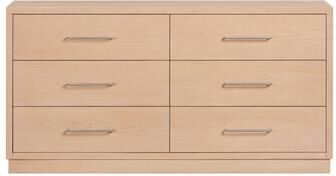
TOV Furniture Marlow Wood DresserThe Marlow 6-Drawer Dresser blends style and functionality, making it a stunning addition to any bedroom. Finished in natural wood with sleek nickel hardware, or black complemented by brass hardware this dresser exudes warmth and timeless elegance.1383,99 $*Shipping: 0,00 $Secure redirect to the provider



-
Can someone please help me and translate what "laila tov yaffati" means?
"Laila tov yaffati" is a Hebrew phrase that translates to "good night, my beautiful" in English. It is a sweet and affectionate way to bid someone goodnight. **
-
Why were Roman soldiers called mules, according to Marius?
Roman soldiers were called mules by Marius because he believed that they should be strong and hardworking like mules. He wanted his soldiers to be able to endure long marches, carry heavy loads, and be resilient in battle. By comparing them to mules, Marius emphasized the importance of discipline, endurance, and loyalty in his army. **
-
What were the Roman soldiers called as Marius' mules?
The Roman soldiers who were called Marius' mules were the legionaries. This nickname was given to them during the time of the Roman Republic when Gaius Marius reformed the Roman army. The term "mules" referred to the soldiers' role in carrying heavy equipment and supplies on their backs during long marches and campaigns. This nickname reflects the grueling physical demands placed on the legionaries as they served in the Roman military. **
-
Why were Roman soldiers called "mules," according to Marius?
According to Marius, Roman soldiers were called "mules" because they were expected to carry heavy loads and endure difficult conditions, much like the hardworking pack animals. This comparison highlighted the soldiers' resilience, strength, and ability to endure hardships during military campaigns. By likening them to mules, Marius emphasized the soldiers' importance in supporting the Roman army's logistical needs and their crucial role in ensuring the success of military operations. **


What interest groups existed during the time of Marius and Sulla?
During the time of Marius and Sulla, there were various interest groups that held significant influence in Roman politics. These included the senatorial class, which was made up of wealthy and powerful families who sought to maintain their privileged position in society. Additionally, there were the equestrians, who were wealthy businessmen and entrepreneurs seeking to expand their economic interests. The populares, led by Marius, represented the interests of the common people and sought to enact reforms to benefit the lower classes. Lastly, there were the military factions, who were loyal to their generals and sought to advance their own interests through military conquest and political power. **
What were the reforms of Gaius Marius in Rome Total War?
Gaius Marius implemented several significant reforms in Rome Total War. One of his most notable reforms was the transformation of the Roman army by allowing landless citizens to enlist as professional soldiers, which helped to create a more professional and loyal military force. He also reorganized the army into a more standardized and efficient structure, including the adoption of the cohort system. Additionally, Marius introduced changes to the recruitment and training process, as well as improvements in the soldiers' equipment and pay. These reforms had a lasting impact on the Roman military and contributed to its success in future conflicts. **
Top-Angebote
Products related to TOV-Furniture-Marius-Boucle:
-
TOV Furniture Marius Boucle Accent ChairSettle in and let the Marius chair wrap you in effortless comfort. Its soft, sculpted curves and rich, textured upholstery create an instant ahh moment, while the clean, modern lines keep your space looking polished.989,99 $*Shipping: 0,00 $Secure redirect to the provider
-
What is the song by Marius?
The song by Marius is "Empty Chairs at Empty Tables" from the musical Les Misérables. It is a powerful and emotional ballad sung by the character Marius, reflecting on the loss of his friends during the revolution. The song captures the feelings of grief, survivor's guilt, and longing for the departed, making it a poignant and memorable piece in the musical. **
-
What vocal range does Marius Müller-Westernhagen have?
Marius Müller-Westernhagen is a baritone, which is a vocal range that falls between a tenor and a bass. This range allows him to sing in a lower register with richness and depth, making his voice distinctive and powerful. His baritone voice has contributed to his success as a rock musician and actor in Germany. **
-
Can someone please help me and translate what "laila tov yaffati" means?
"Laila tov yaffati" is a Hebrew phrase that translates to "good night, my beautiful" in English. It is a sweet and affectionate way to bid someone goodnight. **
-
Why were Roman soldiers called mules, according to Marius?
Roman soldiers were called mules by Marius because he believed that they should be strong and hardworking like mules. He wanted his soldiers to be able to endure long marches, carry heavy loads, and be resilient in battle. By comparing them to mules, Marius emphasized the importance of discipline, endurance, and loyalty in his army. **
Similar search terms for TOV-Furniture-Marius-Boucle
-
TOV Furniture Marlow Wood DresserThe Marlow 6-Drawer Dresser blends style and functionality, making it a stunning addition to any bedroom. Finished in natural wood with sleek nickel hardware, or black complemented by brass hardware this dresser exudes warmth and timeless elegance.1383,99 $*Shipping: 0,00 $Secure redirect to the provider
-
What were the Roman soldiers called as Marius' mules?
The Roman soldiers who were called Marius' mules were the legionaries. This nickname was given to them during the time of the Roman Republic when Gaius Marius reformed the Roman army. The term "mules" referred to the soldiers' role in carrying heavy equipment and supplies on their backs during long marches and campaigns. This nickname reflects the grueling physical demands placed on the legionaries as they served in the Roman military. **
-
Why were Roman soldiers called "mules," according to Marius?
According to Marius, Roman soldiers were called "mules" because they were expected to carry heavy loads and endure difficult conditions, much like the hardworking pack animals. This comparison highlighted the soldiers' resilience, strength, and ability to endure hardships during military campaigns. By likening them to mules, Marius emphasized the soldiers' importance in supporting the Roman army's logistical needs and their crucial role in ensuring the success of military operations. **
-
What interest groups existed during the time of Marius and Sulla?
During the time of Marius and Sulla, there were various interest groups that held significant influence in Roman politics. These included the senatorial class, which was made up of wealthy and powerful families who sought to maintain their privileged position in society. Additionally, there were the equestrians, who were wealthy businessmen and entrepreneurs seeking to expand their economic interests. The populares, led by Marius, represented the interests of the common people and sought to enact reforms to benefit the lower classes. Lastly, there were the military factions, who were loyal to their generals and sought to advance their own interests through military conquest and political power. **
-
What were the reforms of Gaius Marius in Rome Total War?
Gaius Marius implemented several significant reforms in Rome Total War. One of his most notable reforms was the transformation of the Roman army by allowing landless citizens to enlist as professional soldiers, which helped to create a more professional and loyal military force. He also reorganized the army into a more standardized and efficient structure, including the adoption of the cohort system. Additionally, Marius introduced changes to the recruitment and training process, as well as improvements in the soldiers' equipment and pay. These reforms had a lasting impact on the Roman military and contributed to its success in future conflicts. **
* All prices are inclusive of VAT and, if applicable, plus shipping costs. The offer information is based on the details provided by the respective shop and is updated through automated processes. Real-time updates do not occur, so deviations can occur in individual cases. ** Note: Parts of this content were created by AI.