Buy koupittridicak.com ?
We are moving the project
koupittridicak.com .
Are you interested in purchasing the domain
koupittridicak.com ?
domain@kv-gmbh.de · 0541-91531010
Buy koupittridicak.com ?
Does the AncestryDNA test also test for diseases?
No, the AncestryDNA test does not test for diseases. It is a genetic test that provides information about a person's ethnic background and family history. It does not provide information about an individual's risk for specific diseases or medical conditions. If someone is interested in learning about their genetic risk for certain diseases, they would need to take a different type of genetic test specifically designed for that purpose. **
Are civilization diseases not genetic diseases?
Civilization diseases, also known as lifestyle diseases, are not genetic diseases. They are primarily caused by unhealthy lifestyle choices such as poor diet, lack of physical activity, smoking, and excessive alcohol consumption. While genetics can play a role in certain civilization diseases, such as type 2 diabetes and heart disease, the primary contributing factors are environmental and behavioral. Therefore, civilization diseases are not solely genetic in nature. **


Similar search terms for Diseases
Top-Angebote
Products related to Diseases:
-
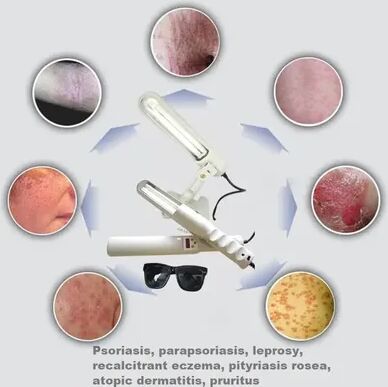
StayWell UV 311nm Ultraviolet Phototherapy Device Uses Philips Lamp UVB To Treat Vitiligo, Psoriasis, White Spots, Skin Diseases 110v Us PlugExperience targeted relief with our UV 311nm Ultraviolet Phototherapy Device Uses a precisionengineered Philips UVB lamp to combat vitiligo, psoriasis, white spots and other stubborn skin diseases. Designed for both home and clinical settings, this...169,97 $*Shipping: 0,00 $Secure redirect to the provider
-
Uplifted Finds Interactive Ring Toss Training System Professional Early Education & Pediatric Fitness Infrastructure Interactive Ring Toss Training System Professional Early Education & Pediatric Fitness InfrastructureCommand ultimate developmental confidence with the Interactive Ring Toss Training System, a highperformance educational solution specifically engineered to act as a comprehensive tool for elite organization and superior technical ergonomics. Built...52,97 $*Shipping: 0,00 $Secure redirect to the provider
-
Multicon Wholesale Hub Backyard Dog Agility Training Kit With Jumps, Tunnel & Obstacle Course For Dogs Backyard Dog Agility Training Kit With Jumps, Tunnel & Obstacle Course For DogsEnhance your dog's agility skills and create memorable bonding moments with the Backyard Dog Agility Training Kit. This versatile kit features a variety of obstacles like jumps, weave poles, and a tunnel, perfect for energetic dogs and their owners....168,97 $*Shipping: 0,00 $Secure redirect to the provider
-
Tiny Tots Teens Trends Drawer Game Early Education Montessori Wooden Pitch Ball Box Preschool Learning Training Toy Drawer Game Early Education Montessori Wooden Pitch Ball Box Preschool Learning Training ToyThis Montessori Wooden Pitch Ball Box Drawer Game is a thoughtfully designed earlyeducation toy that transforms playtime into purposeful learning. Crafted for toddlers and preschoolers, it offers a handson, engaging way to support key developmental...39,97 $*Shipping: 0,00 $Secure redirect to the provider



-
How do infectious diseases and genetic diseases differ?
Infectious diseases are caused by pathogens such as bacteria, viruses, fungi, or parasites that can be transmitted from one person to another. These diseases are often preventable through measures such as vaccination, proper hygiene, and avoiding contact with infected individuals. On the other hand, genetic diseases are caused by abnormalities in an individual's genetic makeup and are not typically contagious. They are often inherited from one or both parents and can result in a wide range of health issues, from mild to severe. While infectious diseases can be treated with antibiotics or antiviral medications, genetic diseases often require ongoing management and treatment to alleviate symptoms and improve quality of life. **
-
Which diseases prevent someone from driving a car?
Certain medical conditions such as epilepsy, uncontrolled diabetes, severe sleep disorders, and certain heart conditions can prevent someone from driving a car. These conditions can impair a person's ability to safely operate a vehicle, putting themselves and others at risk. It is important for individuals with these conditions to follow medical advice and regulations regarding driving restrictions to ensure road safety. **
-
Which diseases are not allowed for driving a car?
Diseases that can impair a person's ability to drive safely are generally not allowed for driving a car. Some examples include uncontrolled epilepsy, severe vision problems, severe heart conditions, and conditions that cause sudden loss of consciousness or control. It is important for individuals with such conditions to follow medical advice and restrictions to ensure the safety of themselves and others on the road. **
-
What is the comparison between genetically inherited diseases and infectious diseases?
Genetically inherited diseases are caused by abnormalities in an individual's genetic makeup, which are passed down from their parents. These diseases are not contagious and cannot be spread from person to person. On the other hand, infectious diseases are caused by pathogens such as bacteria, viruses, or fungi, and can be transmitted from one person to another through various means such as direct contact, airborne particles, or contaminated food and water. While both types of diseases can have serious health implications, the methods of transmission and underlying causes are different. **


Can horseflies transmit diseases?
Yes, horseflies can transmit diseases to humans and animals through their bites. They are known to carry and transmit diseases such as equine infectious anemia and tularemia. Horsefly bites can also lead to secondary infections due to the bacteria they carry on their mouthparts. It is important to take precautions to prevent horsefly bites, especially in areas where they are prevalent. **
Are autoimmune diseases hereditary?
Autoimmune diseases can have a genetic component, meaning they can run in families. Having a family history of autoimmune diseases can increase the likelihood of developing one. However, genetics is not the only factor that contributes to the development of autoimmune diseases. Environmental factors, such as infections, diet, and exposure to toxins, also play a role in triggering autoimmune responses. **
Top-Angebote
Products related to Diseases:
-
DK RHS Pruning & Training, RHS Propagating Plants, RHS Pests & Diseases 3 Books Collection SetRHS Pruning & Training, RHS Propagating Plants, RHS Pests & Diseases 3 Books Collection Set: RHS Pruning & Training: Learn how to prune and train fruit bushes, fruit trees, roses, and woody ornamentals with this best-selling plant-by-plant guide - now in its 4th edition. RHS Propagating Plants: Learn how to propagate virtually every type of plant, from fruit trees and ornamental shrubs to exotic orchids and succulents. Packed with hundreds of step-by-step tutorials, this new edition of RHS Propagating Plants is your go-to guide for clear and instructive propagation advice. RHS Pests & Diseases: Have you got a plant with a problem and don't know how to fix it? This unrivalled practical reference is all you need to nurse it back to health.25,99 £*Shipping: 2,99 £Secure redirect to the provider
-
DK RHS Pests and Diseases The Definitive Practical Guide to Identifying and Treating Garden ProblemsKeep your garden healthy and thriving with RHS Pests and Diseases, the essential reference guide for identifying, understanding, and treating common garden problems.Published by the Royal Horticultural Society, this trusted handbook combines expert advice, detailed photographs, and practical solutions to help gardeners tackle issues affecting flowers, fruit, vegetables, trees, and houseplants. Discover how to recognize symptoms, diagnose causes, and choose the most effective organic or chemical treatments. Whether it’s aphids on roses, mildew on tomatoes, or mysterious leaf spots, this book provides clear, step-by-step guidance to restore your garden to good health. Perfect for beginners and experienced gardeners alike, RHS Pests and Diseases is an indispensable companion for anyone serious about successful, sustainable gardening. Comprehensive A–Z reference of pests, diseases, and disorders Over 1,000 color photographs for easy plant problem identification Expert advice from the Royal Horticultural Society Covers flowers, vegetables, fruit, shrubs, lawns, and houseplants Essential gardening guide for diagnosing and treating problems effectively6,49 £*Shipping: 2,99 £Secure redirect to the provider
-
StayWell UV 311nm Ultraviolet Phototherapy Device Uses Philips Lamp UVB To Treat Vitiligo, Psoriasis, White Spots, Skin Diseases 110v Us PlugExperience targeted relief with our UV 311nm Ultraviolet Phototherapy Device Uses a precisionengineered Philips UVB lamp to combat vitiligo, psoriasis, white spots and other stubborn skin diseases. Designed for both home and clinical settings, this...169,97 $*Shipping: 0,00 $Secure redirect to the provider
-
Uplifted Finds Interactive Ring Toss Training System Professional Early Education & Pediatric Fitness Infrastructure Interactive Ring Toss Training System Professional Early Education & Pediatric Fitness InfrastructureCommand ultimate developmental confidence with the Interactive Ring Toss Training System, a highperformance educational solution specifically engineered to act as a comprehensive tool for elite organization and superior technical ergonomics. Built...52,97 $*Shipping: 0,00 $Secure redirect to the provider
-
Does the AncestryDNA test also test for diseases?
No, the AncestryDNA test does not test for diseases. It is a genetic test that provides information about a person's ethnic background and family history. It does not provide information about an individual's risk for specific diseases or medical conditions. If someone is interested in learning about their genetic risk for certain diseases, they would need to take a different type of genetic test specifically designed for that purpose. **
-
Are civilization diseases not genetic diseases?
Civilization diseases, also known as lifestyle diseases, are not genetic diseases. They are primarily caused by unhealthy lifestyle choices such as poor diet, lack of physical activity, smoking, and excessive alcohol consumption. While genetics can play a role in certain civilization diseases, such as type 2 diabetes and heart disease, the primary contributing factors are environmental and behavioral. Therefore, civilization diseases are not solely genetic in nature. **
-
How do infectious diseases and genetic diseases differ?
Infectious diseases are caused by pathogens such as bacteria, viruses, fungi, or parasites that can be transmitted from one person to another. These diseases are often preventable through measures such as vaccination, proper hygiene, and avoiding contact with infected individuals. On the other hand, genetic diseases are caused by abnormalities in an individual's genetic makeup and are not typically contagious. They are often inherited from one or both parents and can result in a wide range of health issues, from mild to severe. While infectious diseases can be treated with antibiotics or antiviral medications, genetic diseases often require ongoing management and treatment to alleviate symptoms and improve quality of life. **
-
Which diseases prevent someone from driving a car?
Certain medical conditions such as epilepsy, uncontrolled diabetes, severe sleep disorders, and certain heart conditions can prevent someone from driving a car. These conditions can impair a person's ability to safely operate a vehicle, putting themselves and others at risk. It is important for individuals with these conditions to follow medical advice and regulations regarding driving restrictions to ensure road safety. **
Similar search terms for Diseases
-
Multicon Wholesale Hub Backyard Dog Agility Training Kit With Jumps, Tunnel & Obstacle Course For Dogs Backyard Dog Agility Training Kit With Jumps, Tunnel & Obstacle Course For DogsEnhance your dog's agility skills and create memorable bonding moments with the Backyard Dog Agility Training Kit. This versatile kit features a variety of obstacles like jumps, weave poles, and a tunnel, perfect for energetic dogs and their owners....168,97 $*Shipping: 0,00 $Secure redirect to the provider
-
Tiny Tots Teens Trends Drawer Game Early Education Montessori Wooden Pitch Ball Box Preschool Learning Training Toy Drawer Game Early Education Montessori Wooden Pitch Ball Box Preschool Learning Training ToyThis Montessori Wooden Pitch Ball Box Drawer Game is a thoughtfully designed earlyeducation toy that transforms playtime into purposeful learning. Crafted for toddlers and preschoolers, it offers a handson, engaging way to support key developmental...39,97 $*Shipping: 0,00 $Secure redirect to the provider
-
Tiny Tots Teens Trends Montessori Baby Training, Infant Puzzle Early Education Toys, Busy Hand Grasping Ball For Baby Montessori Baby Training, Infant Puzzle Early Education Toys, Busy Hand Grasping Ball For BabyIntroduce Your Baby to the World of Learning The Infant Puzzle Early Education Toys are designed to foster cognitive and physical development in your little one. This Multifunctional Busy Ball for Montessori Baby Training is ideal for enhancing...79,97 $*Shipping: 0,00 $Secure redirect to the provider
-
Which diseases are not allowed for driving a car?
Diseases that can impair a person's ability to drive safely are generally not allowed for driving a car. Some examples include uncontrolled epilepsy, severe vision problems, severe heart conditions, and conditions that cause sudden loss of consciousness or control. It is important for individuals with such conditions to follow medical advice and restrictions to ensure the safety of themselves and others on the road. **
-
What is the comparison between genetically inherited diseases and infectious diseases?
Genetically inherited diseases are caused by abnormalities in an individual's genetic makeup, which are passed down from their parents. These diseases are not contagious and cannot be spread from person to person. On the other hand, infectious diseases are caused by pathogens such as bacteria, viruses, or fungi, and can be transmitted from one person to another through various means such as direct contact, airborne particles, or contaminated food and water. While both types of diseases can have serious health implications, the methods of transmission and underlying causes are different. **
-
Can horseflies transmit diseases?
Yes, horseflies can transmit diseases to humans and animals through their bites. They are known to carry and transmit diseases such as equine infectious anemia and tularemia. Horsefly bites can also lead to secondary infections due to the bacteria they carry on their mouthparts. It is important to take precautions to prevent horsefly bites, especially in areas where they are prevalent. **
-
Are autoimmune diseases hereditary?
Autoimmune diseases can have a genetic component, meaning they can run in families. Having a family history of autoimmune diseases can increase the likelihood of developing one. However, genetics is not the only factor that contributes to the development of autoimmune diseases. Environmental factors, such as infections, diet, and exposure to toxins, also play a role in triggering autoimmune responses. **
* All prices are inclusive of VAT and, if applicable, plus shipping costs. The offer information is based on the details provided by the respective shop and is updated through automated processes. Real-time updates do not occur, so deviations can occur in individual cases. ** Note: Parts of this content were created by AI.